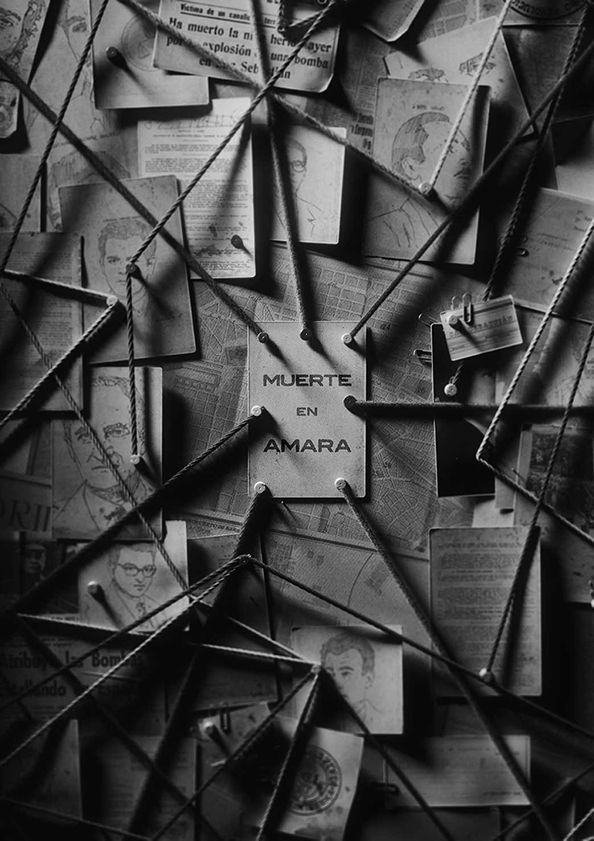
On June 27, 1960, Jesusa Ibarrola wanted to buy shoes for her 20-month-old daughter Begoña. She left the child in the care of her aunt Soledad, who was working in the locker room of the Amara train station. But a bomb exploded and Begoña died a few hours later. The Francoist authorities said that it had been a terrorist attack, but they never informed about the identity of the perpetrators. No arrests were made and no one was brought to trial. The case remained unsolved and fell into oblivion.
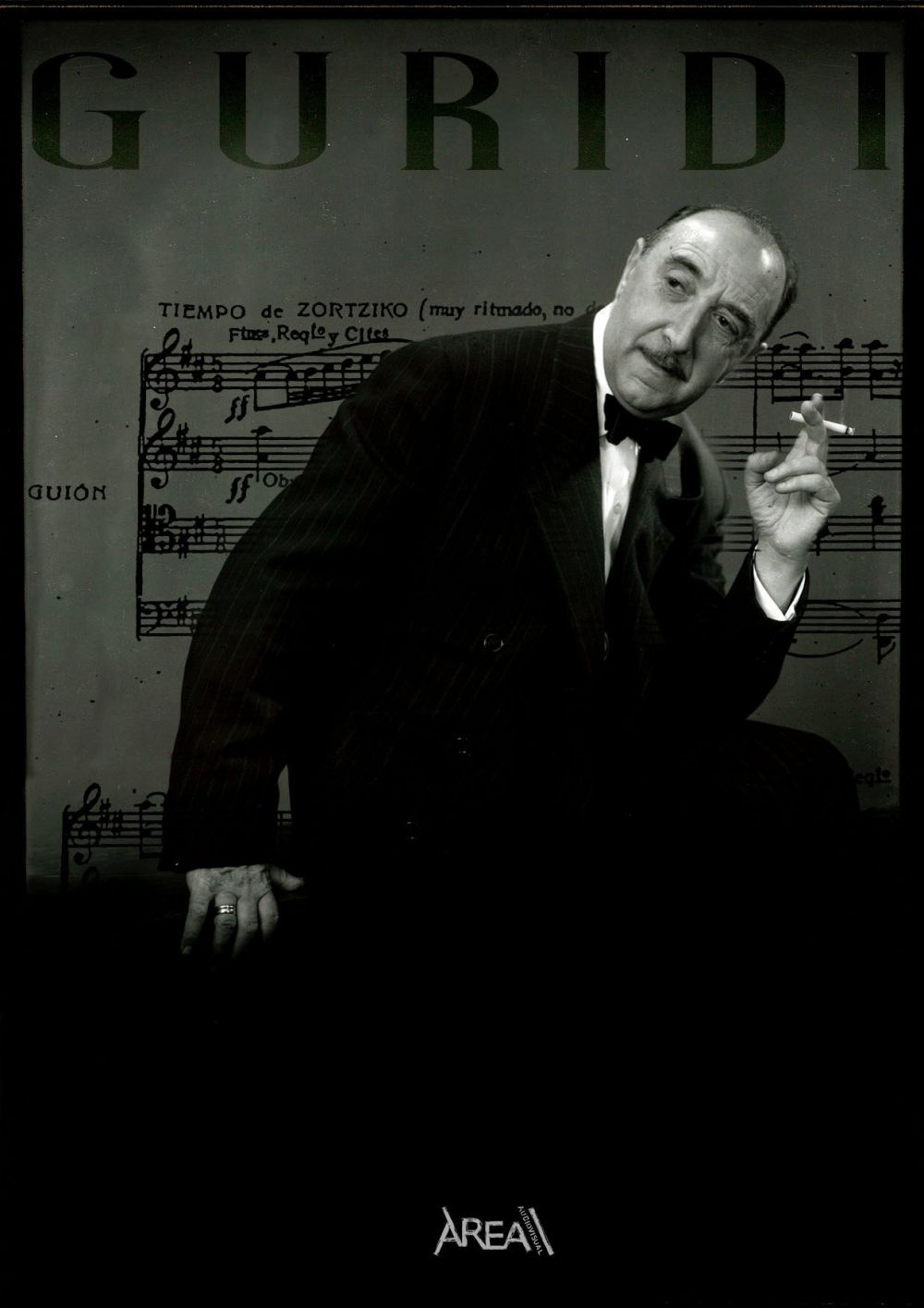
Known fundamentally for the 10 Basque Melodies, Jesús Guridi goes further in time and form. His inexhaustible work stands out for the variety of genres he explored, always achieving results of enormous quality. He was able to draw, with his sensitivity, part of our musical history.
Ana, José María, Dori and Carlos are four Basques who should have had normal lives. But ETA terrorism tragically crossed their paths. Since then, their lives have been marked by something in common: fear.
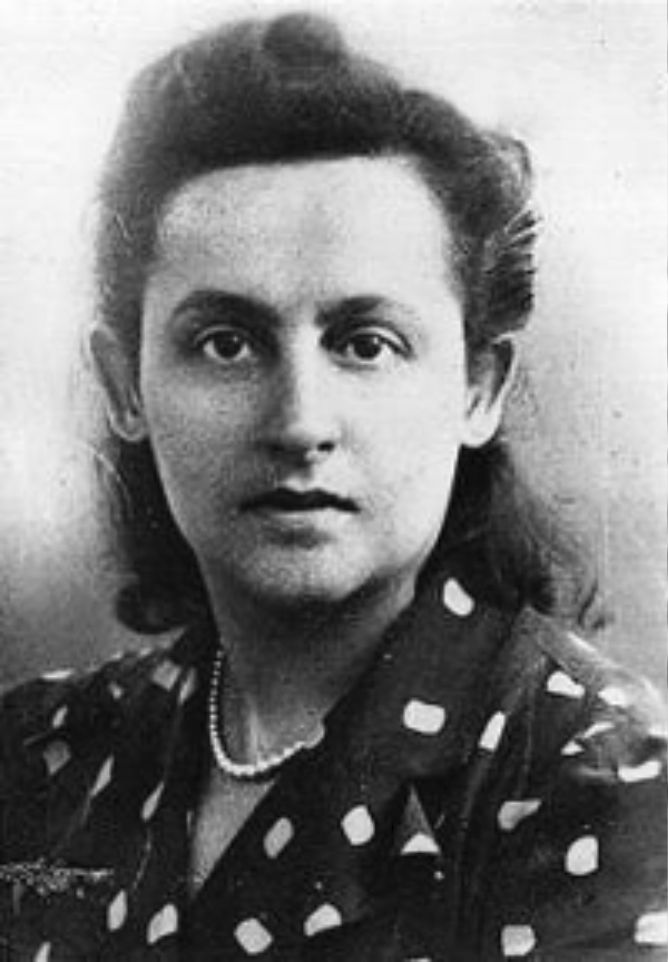
In August 1936, more than a hundred women and men of different nationalities arrived in the Basque Country, responding to the Republic's anti-fascist call to fight against the military coup. Among them was Esther Zilberberg, alias ESTOUCHA. Polish, Jewish, communist, and a medical student in Belgium, she was barely 20 years old. Our film follows her exciting experiences in the Basque Country during the war. That eventful period was only the beginning of a personal and collective epic (that of those first internationalists who arrived in our land), buried for decades in oblivion. After the Civil War, during World War II, she was part of the French Resistance against the Nazis, a struggle for which she had to separate from her young son Georges. Estoucha ended up being arrested. She was taken to the Ravensbrück concentration camp and the Mauthausen extermination camp, but she survived. After being freed, she was able to get her son back, although she had lost her husband during the war. Now, through her son, now in his eighties, we recover her memory, accompanying him on his trip to the Basque Country to visit the places his mother told him so much about. Thus, in addition to being a historical documentary, the film becomes a physical and emotional journey, in which Georges discovers the secrets of that adventure in the fight against fascism.