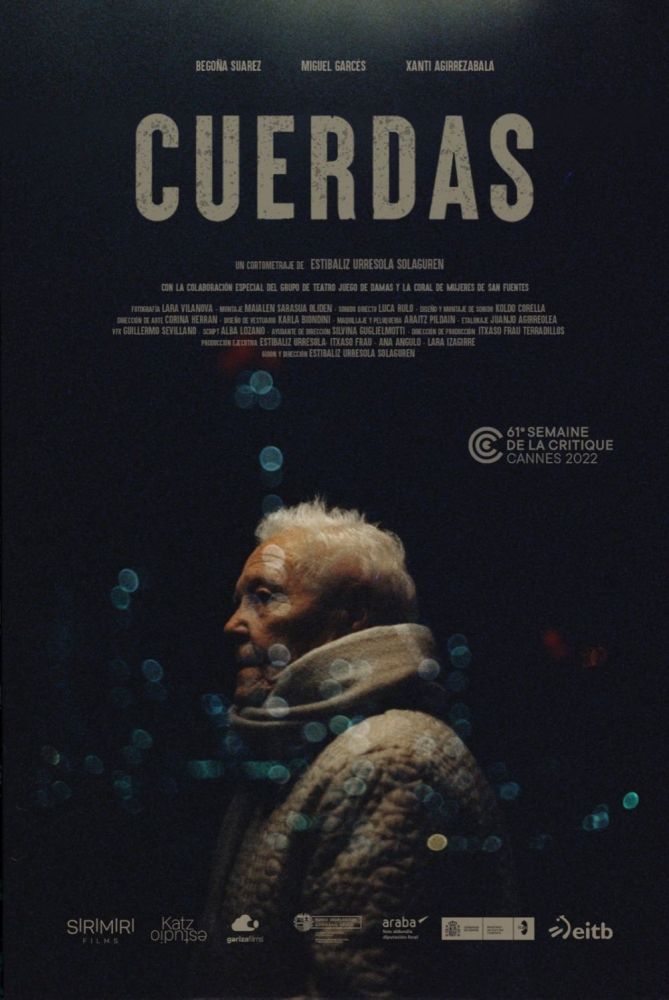
The women’s choir to which Rita (90) belongs is in danger of breaking up because they’ve lost the municipal subsidy which allowed them to rent their rehearsal room. Now the choir has to decide whether or not to accept sponsorship by one of the companies causing most pollution in the valley, a sponsorship that would guarantee the choir’s existence.
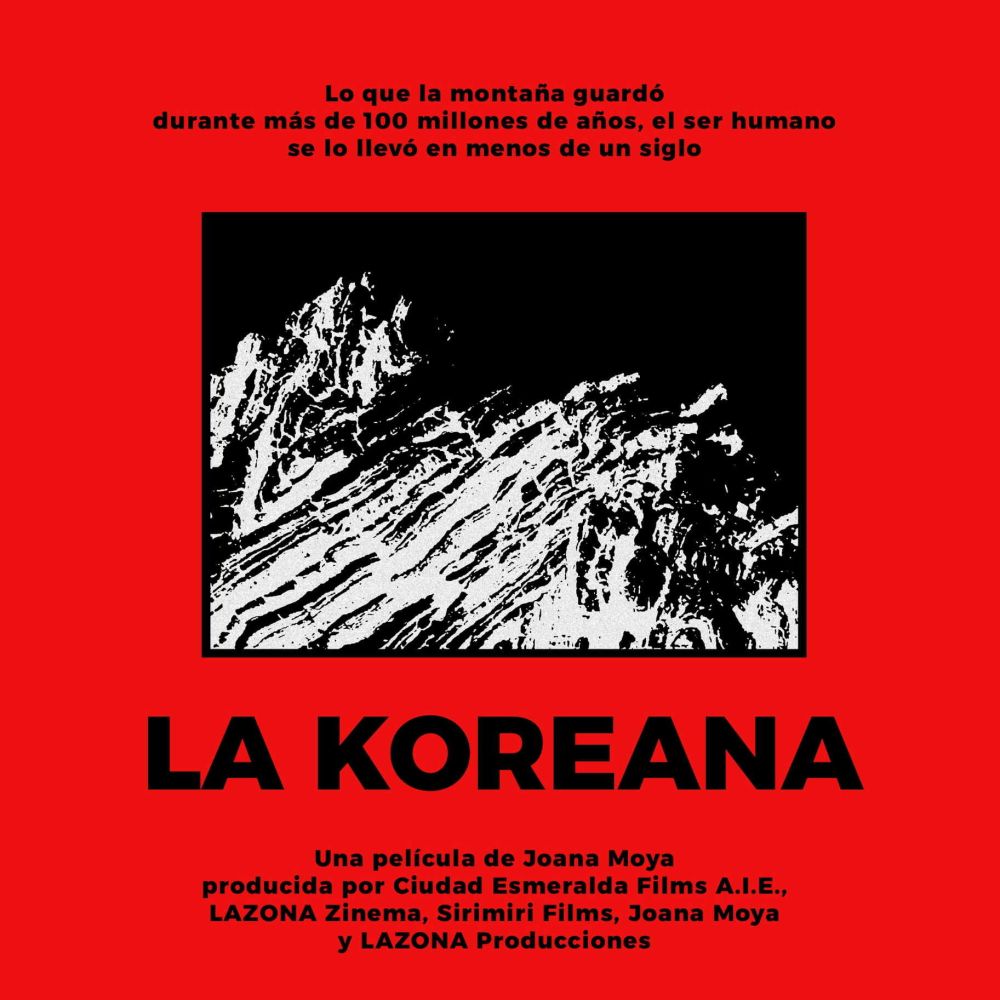
In 1960, Manuela —"the Korean"— arrives from the coast of Andalusia to a small mining village in the Basque Country to reunite with her husband, Tasio, who works in the local mines. In a harsh and strange environment, shrouded in fog and marked by the continuous explosions from the mine, Manuela tries to adapt to a life that feels foreign to her.
When she falls ill with tuberculosis, she is moved to a nearby sanatorium where, alongside other women, she discovers an unexpected space of intimacy and solidarity. Just as the miners excavate the mountain in search of iron, the disease also undermines Manuela's lungs. Meanwhile, the village begins to disappear under the expansion of the mining operation.
As the village begins to disappear under the expansion of the mining operation, Tasio and the rest of the miners, trapped in a cycle that seems to have no end, are swallowed by a massive crack in the Mountain that plunges them into 1890. There, these same faces embody different characters who, nevertheless, face the same struggles. The mountain, despite being emptied, remains, keeping within it a deep and immutable time.