When VERA (Lola Dueñas) was young, she couldn’t take care of her newborn child. When CORA (Ana Torrent) was young, she was told that she could not have children and that the only way to start a family was to adopt a child.
This is a film noir story about a crime. A meeting of these two women on the banks of the Duero River.
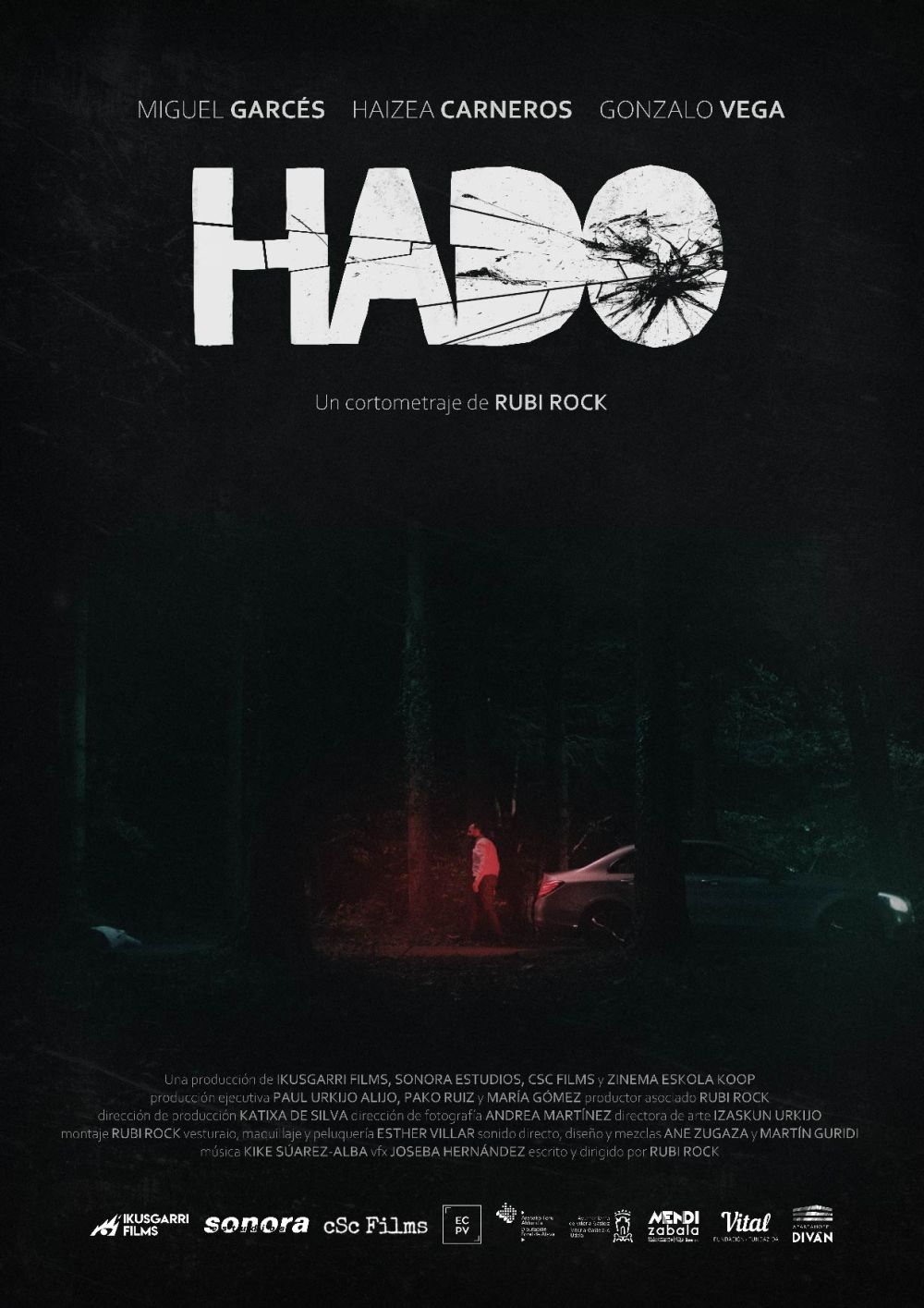
Javi, an unfaithful, powerful man, drives down a poorly lit infrequently traveled road by night. He’s returning home from a supposed work trip. In the blink of an eye, one mistake will change Javi’s live forever.
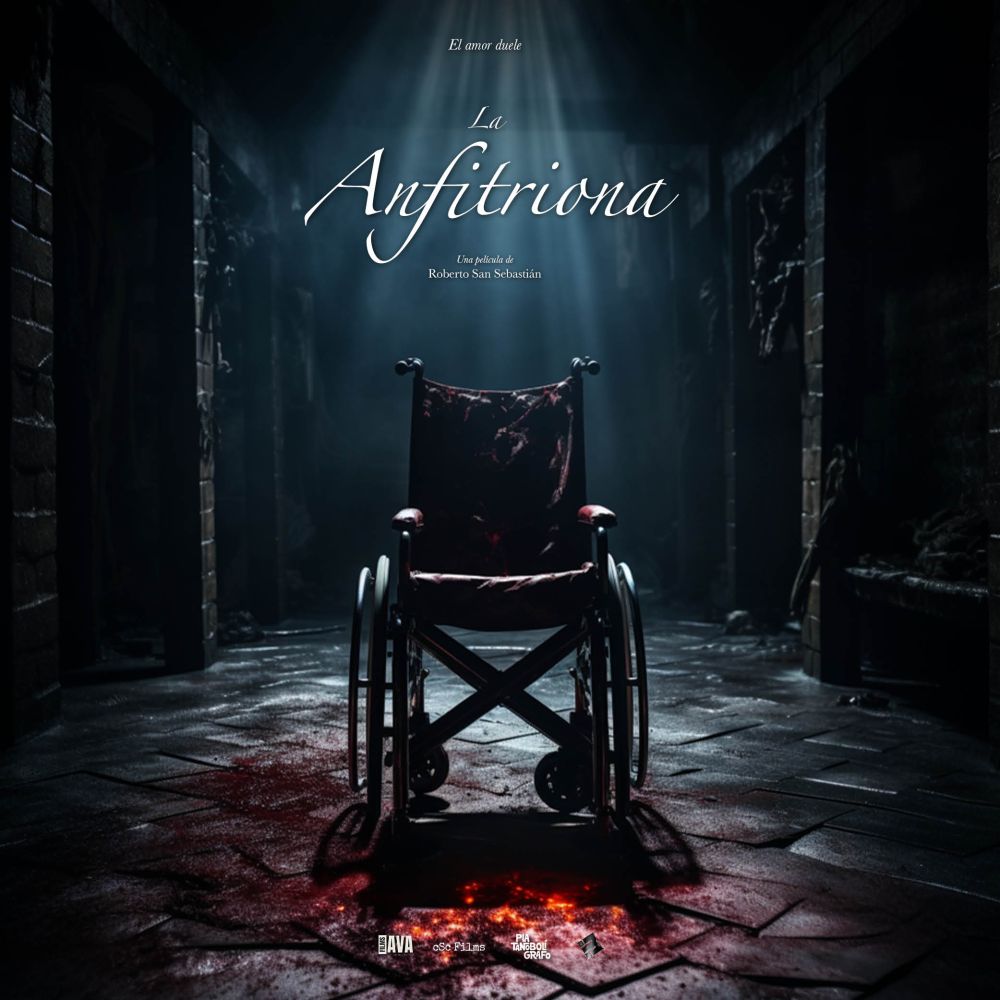
Luz, a candid and responsible young woman, is hired as an intern. His only job is to take care of the lady of the house: an old woman in a vegetative state, unable to speak, move or do anything for herself.
It is a hard, routine and suffocating task. Little by little, Luz begins to take its toll. So much so that, as the weeks go by, he begins to develop an unhealthy obsession with the old lady...
...until turning work into a disturbing game of dependency and submission.
Maika belongs to a lineage of bird women. It is very likely that she is the last generation capable of surviving the veto that hangs over them. A mandate that makes them renounce their nature, fight against their instinct and agonize in life: THE PROHIBITION OF FLYING.
Ari, an undocumented Mexican immigrant working as a dishwasher in Bilbao, flees the city after defending herself against a sexual assault by the man renting her a room. With nowhere to go, she arrives in a small village in Bizkaia seeking help, but ends up lost in the mountains. After a fall in the forest, she is rescued by Abel, a 75-year-old shepherd who lives alone in a dilapidated farmhouse.
Despite his age and worsening hearing loss, Abel remains committed to a life shaped by hard work and survival. Ari offers to rent a room from him, and gradually their initial distrust gives way to an unexpected coexistence. In their isolated world, far from society, two lonely and vulnerable people begin to find companionship and shelter in one another.
The appearance of a horse disrupts the fragile balance they have built. While Abel sees the animal as a source of income, Ari forms an emotional bond with it. The arrival of the police forces them to act together, strengthening a relationship born out of necessity but transformed by mutual care and affection. When Abel disappears into the forest after trying to set the horse free, Ari sets out to find him in the darkness. In doing so, she realizes that what began as a hiding place has become something far more meaningful: a place of belonging, protection, and shared humanity.
It is the year 2001. Olaia works as a film conservator at the Basque Film Archive. With her partner in prison for his political militancy and a mother struggling with alcoholism, she has learned to relate to the world through distance and control.
In early December, she travels to Buenos Aires to authenticate a set of films discovered in the archive of photographer Luis D’Amico. They may contain the earliest known footage featuring the Basque language, shot in Argentina in 1921 by the Zubiaurre brothers. But when she arrives, the country is on the verge of the economic and social collapse that will culminate in the events of December 19 and 20, 2001.
While waiting for access to the archive, Olaia spends her days alone in the apartment where she is staying. There, she discovers a series of desperate answering-machine messages left by a woman searching for a man named Rafael. Fascinated by the story, she decides to find him. What begins as curiosity gradually turns into an obsession: Olaia starts a relationship with Rafael while hiding both the existence of the messages and the real reason she sought him out.
As the crisis takes over the streets and reality becomes impossible to ignore, Olaia retreats into this love story and her work with the films. But when the woman behind the messages finally appears, the fiction she has built begins to collapse. Forced to face the consequences of her actions, Olaia understand the extent to which she has used love as a form of escape.
Peru, a writer living in Bilbao, receives a desperate phone call from Diana, a Basque painter based in Kyoto. That very afternoon, he flies to Japan.
Their reunion rekindles the intimacy of a bond that was never entirely extinguished. Over the course of several days, Diana tells him about the intense and turbulent love affair she had with the Japanese master who introduced her to the art of ukiyo-e. Through her story, Peru discovers a woman he thought he knew, as well as a hidden past she had never revealed.
Yet the true reason for Diana’s call remains unspoken. Only when her story reaches its end will Peru understand why she has brought him halfway across the world—and what she is really asking of him.