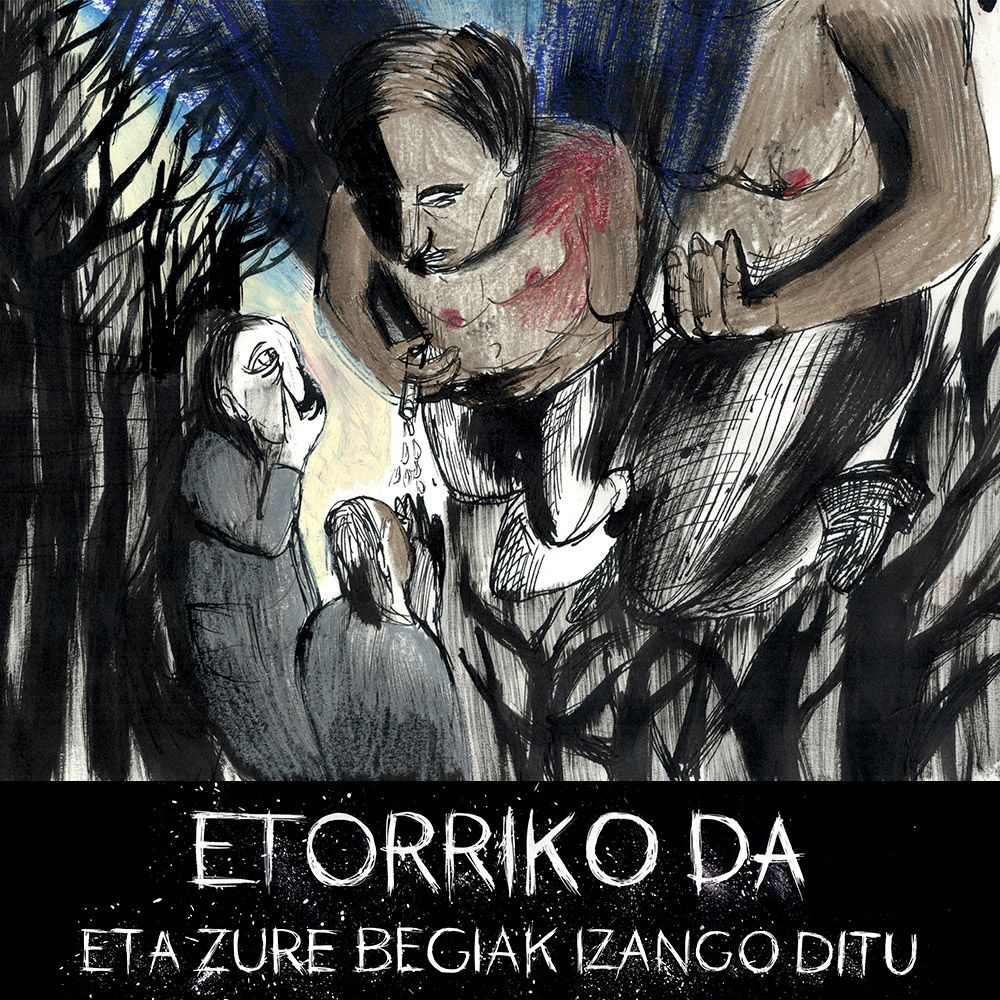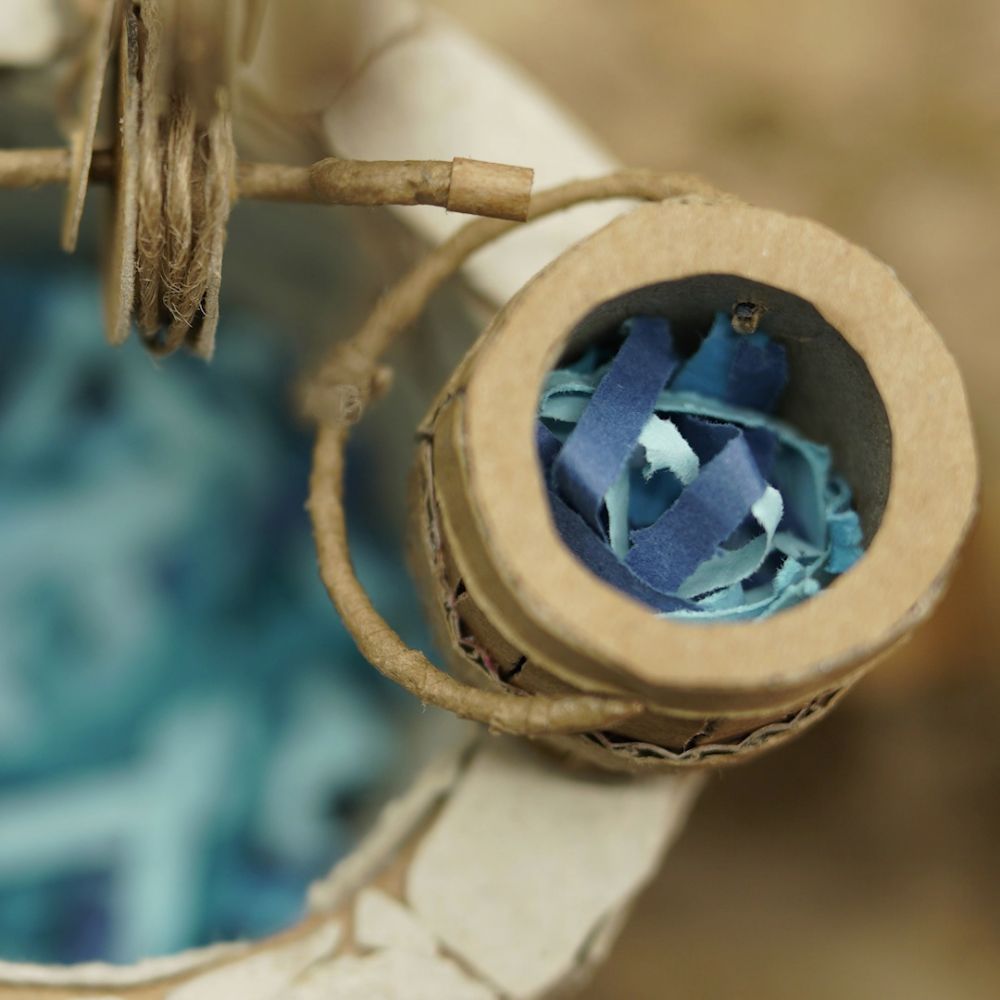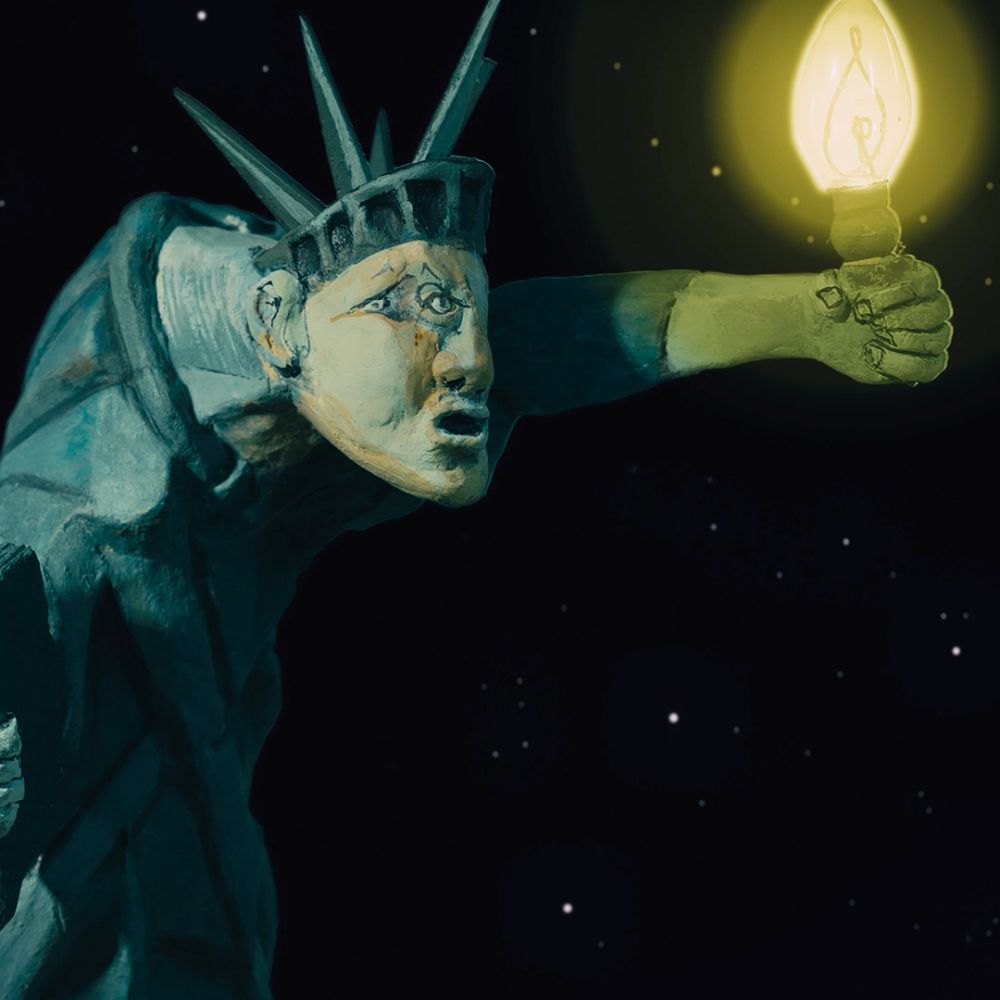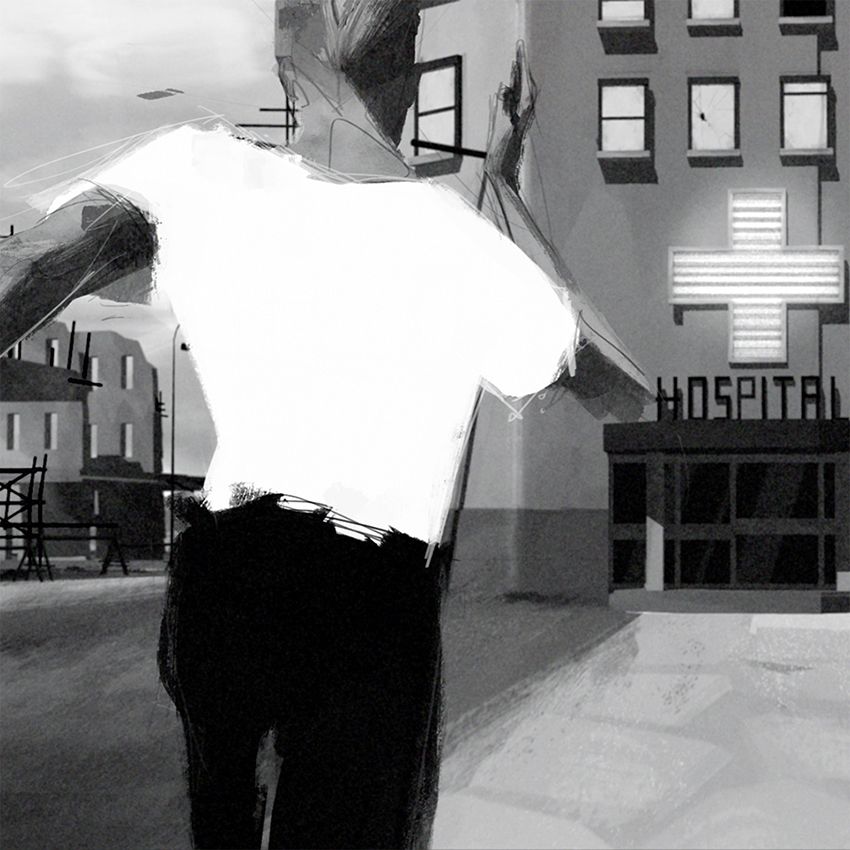
A small community has entered a state of collapse due to an environmental crisis and is adapting as best it can to the new reality. The privileged residents live a hedonistic life based on carpe diem, while the others struggle to survive without any other alternative. What is yet to come? If there is nothing left, can anything save us?
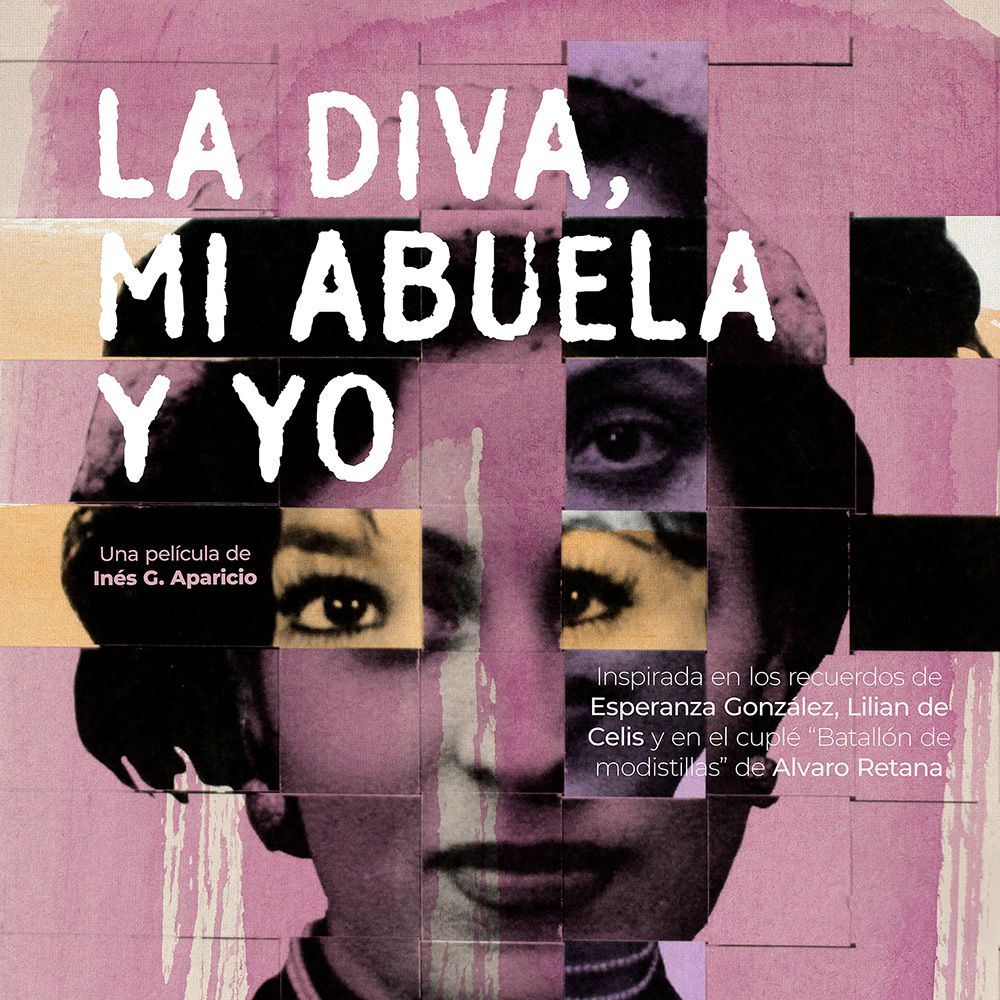
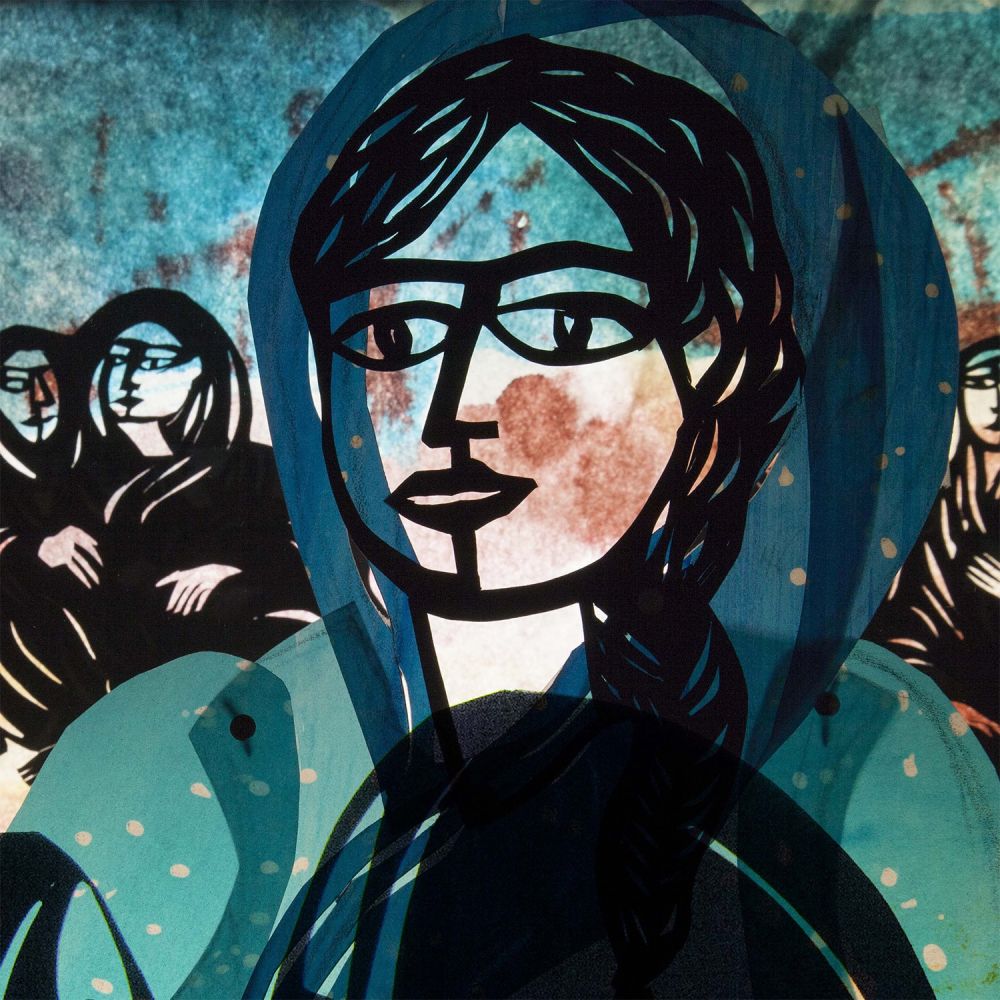
Inés and her grandmother Esperanza have always had a special relationship. The grandmother plays songs from her youth during their meetings and with one of them, Batallón de Modistillas, she opens the box of memories and the imagination of her granddaughter. Music becomes the perfect pretext for a journey through time in which wonderful characters, free women, dreams without borders and unforgettable melodies appear.
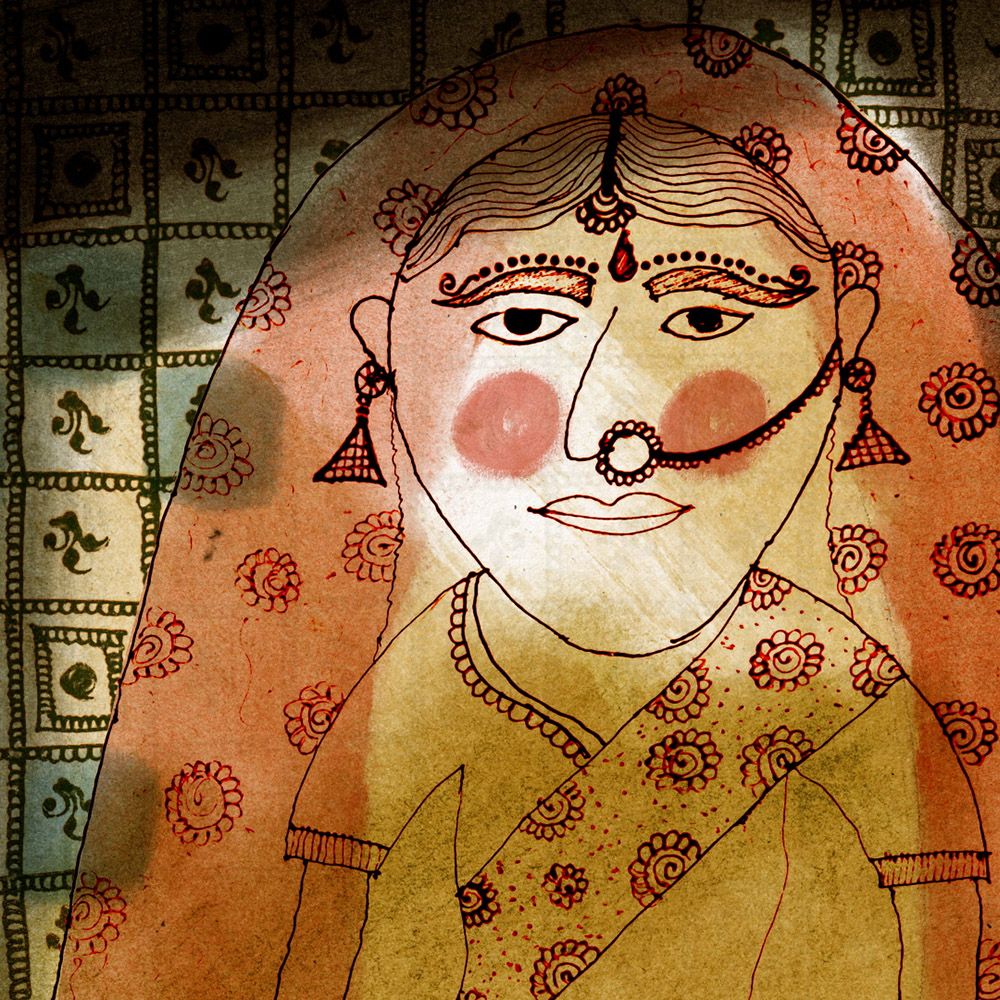
In Ahmedabad, Isabel gives an animation workshop to a group of temporary tattoo artists, the Mehndi. She interviews them about their dreams: to fly, a women's parliament, travel to Switzerland, and claiming independence through rap.
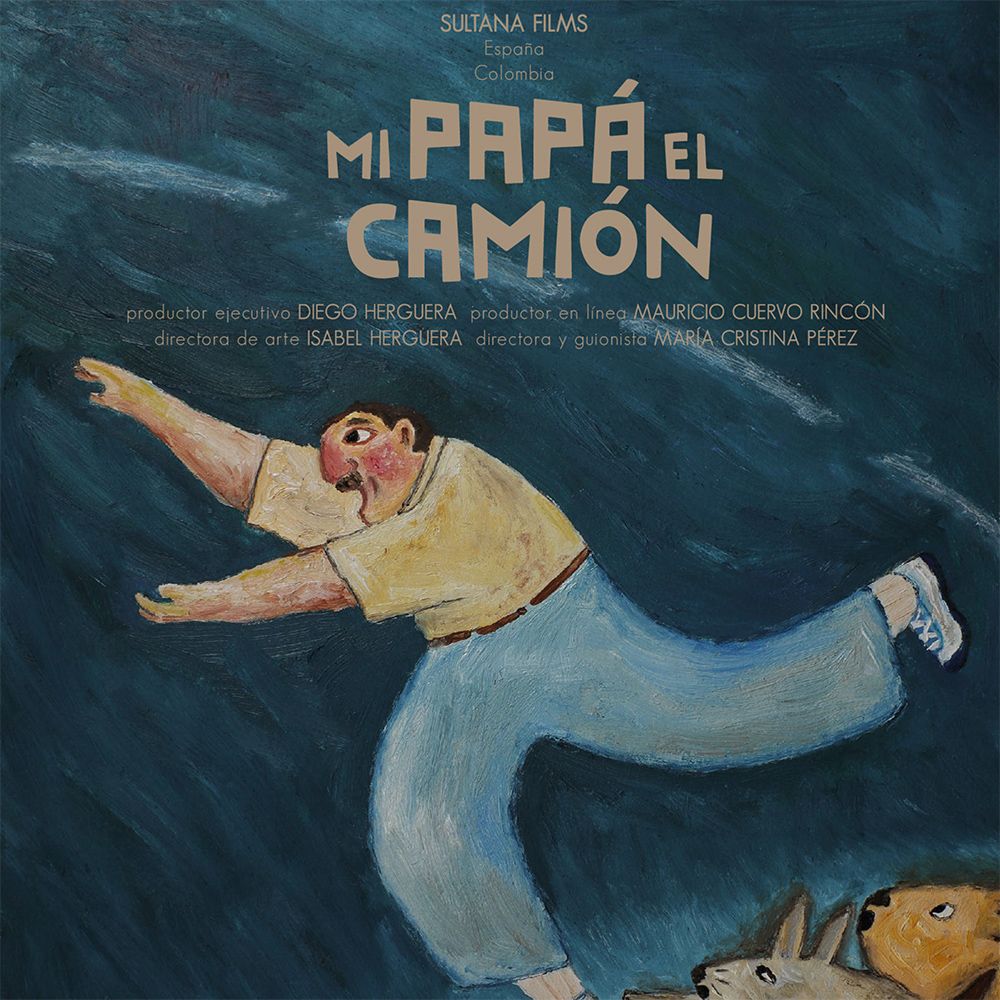
After losing everything in a flood, Bonifacio, a bumbling, hard-headed farmer, is forced to leave the countryside and travel to the city with his young daughter Hilda to pursue his dream of becoming a truck driver, but it soon becomes clear that Bonifacio is no good at doing anything and all he leaves behind is wreckage in his wake. As misadventures lead father and daughter down opposite paths in the city, Bonifacio discovers his true profession: being a father.
Two friends who share a house with two dwellings and a well in their garden begin to trade with it. One by bottling it and the other by the other by watering a vegetable garden whose produce she sells. They build a machine around the well to exploit it better and better. The machine works faster and faster.
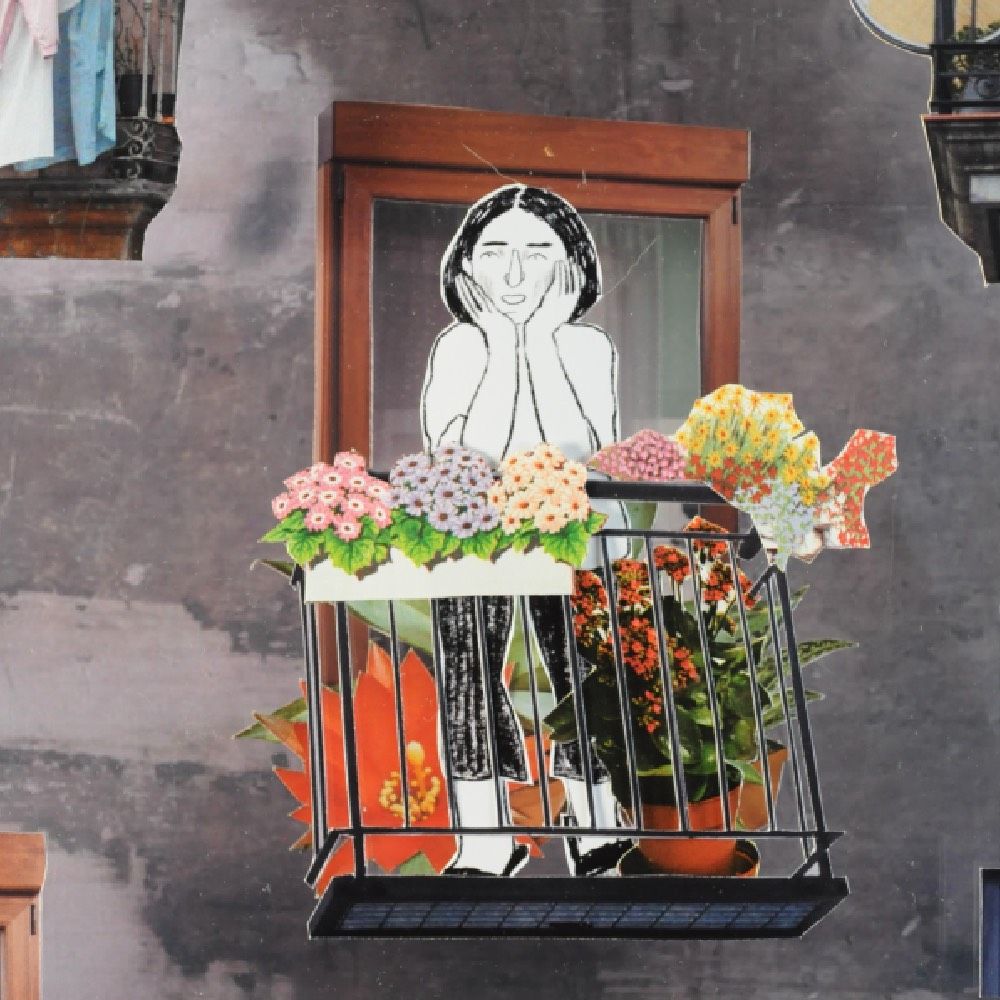
And what is a window, I wonder, if not a grand frame?
The window cuts the sky, framing a blue rectangle to dive into, like in a pool.
But the best part is the view. Not the view from the window, but the one passersby and neighbors have of me.
Good afternoon, ladies and gentlemen. Welcome to my show.
Freely inspired by real events, Château La Belle is the story of an asylum in the Alps in the 1960s where women were lobotomized, raped and impregnated in order to make a business out of selling babies.
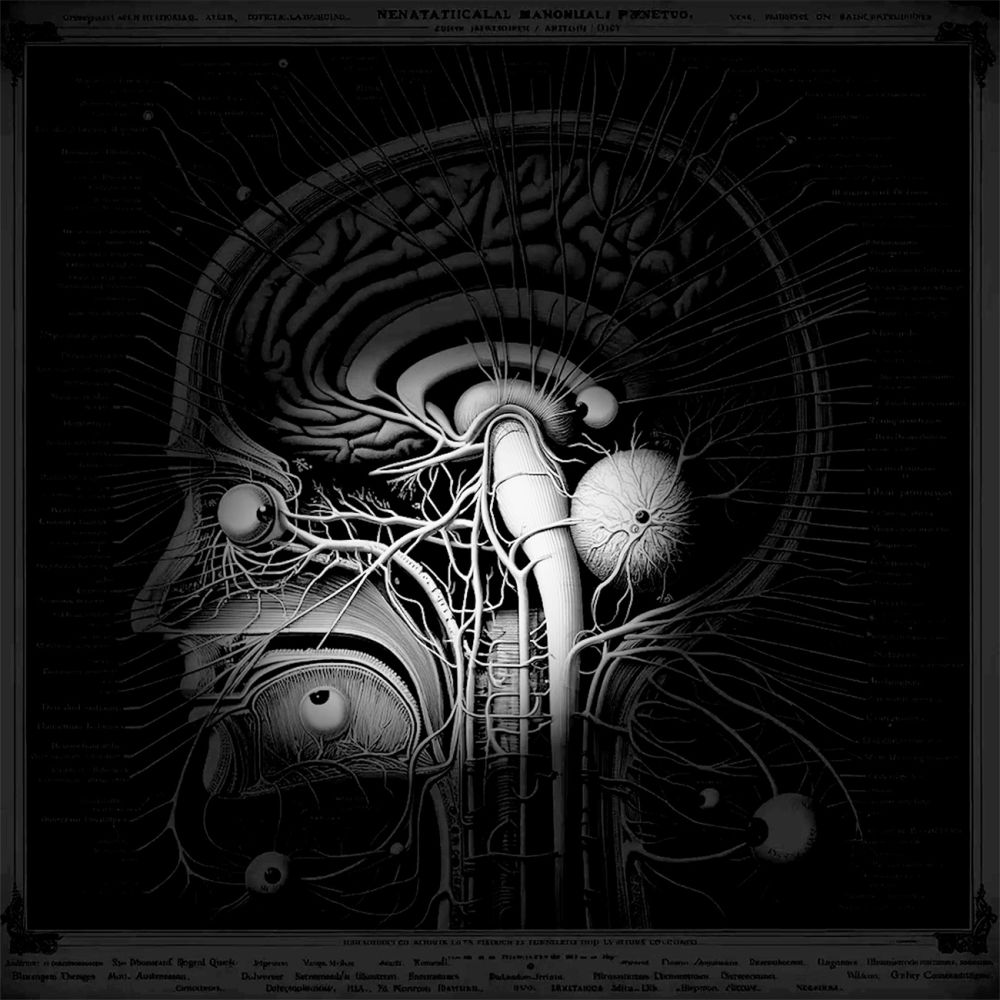
As he lies dying from gunshot wounds, Federico García Lorca imagines a story to redeem his executioner. In it, Luciano Guzmán, a lieutenant colonel in the Spanish Guardia Civil, arrives in New York carrying a mysterious sarcophagus. There, his encounter with Federico, an 8-year-old boy, and Carlo, a sadistic sailor, turns the officer’s visit into a harrowing ordeal.
In the year 1905 the Bengali writer Rokeya Hossein dreamed of Ladyland, a utopic land governed by women.
More than a century later, a young Spanish director, Ines decides to set off on a journey of self-discovery following the traces of Rokeya and looking for Ladyland.
Dark Horses is an anthology feature film composed of five chapters set in different times and places. In each one, the figure of a horse, symbol of strength and freedom, guides the protagonists on a journey of confrontation with their inner selves until they reconnect with their true essence.
The stories converge in a choral tale about the human experience, embracing the complexity of each emotion and learning to ride them with courage toward freedom and self-acceptance.
The first story, with a metaphysical tone, acts as a prologue and conceptual framework for the film's symbolic universe.
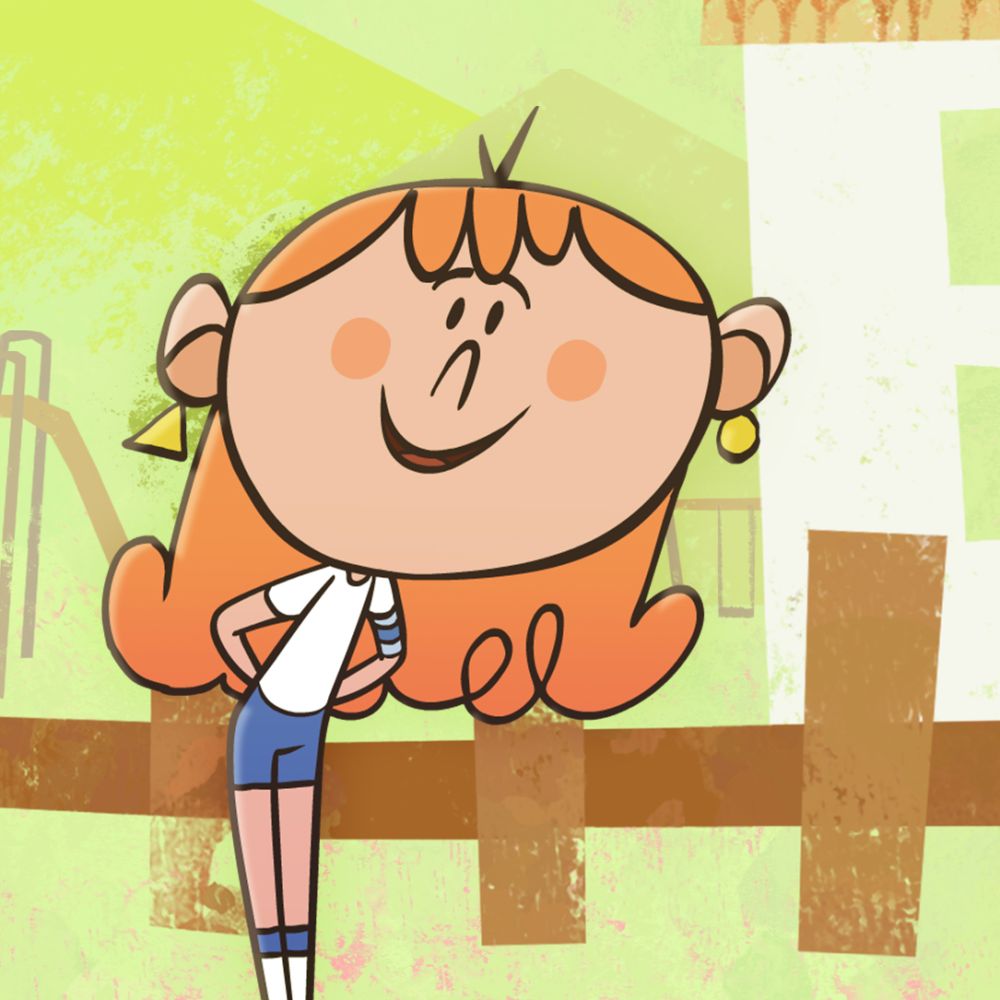
Violeta is a 10 year-old girl who lives in a village where everyone knows each other and the days are charmingly similar.
As captain of the school soccer team, Violeta leads with courage, curiosity, and enthusiasm. And always finds some adventure that helps her understand how the world around her works, why things are the way they are, and whether there is another way of doing them.
Thanks to her curious and innocent attitudes, Violeta will make adults rethink their attitudes and try to change them. Although, as everywhere, there are people who are not comfortable with change.
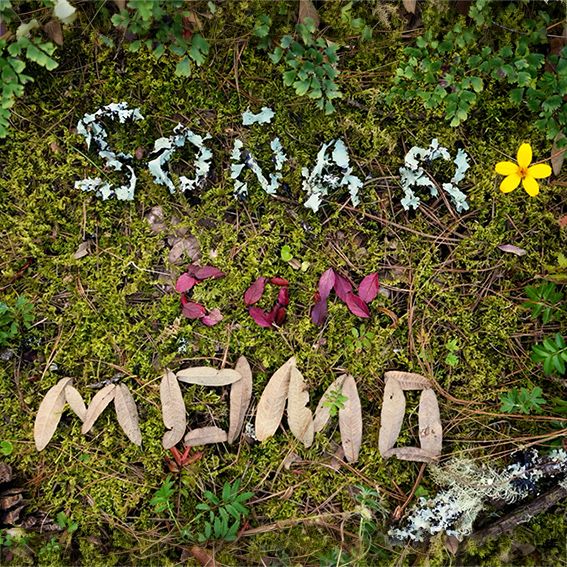
For Carlos, the shock of his brother’s terminal diagnosis hit deeply. What could he do? As an artist whose way of expressing himself has always been through documenting life, he had no choice but to turn the camera toward his brother. Perhaps to hold on to every fragment of memory, to resist forgetting. But in doing so, he realized that what he was also capturing was his own process of saying goodbye. The film is an act of transformation, turning grief into celebration through Momo’s vision of art: the possibility of rediscovering beauty in simple things and remembering why life is worth living.