
2026-03-13
“I think it’s important to remind yourself that we have an obligation to tell stories”
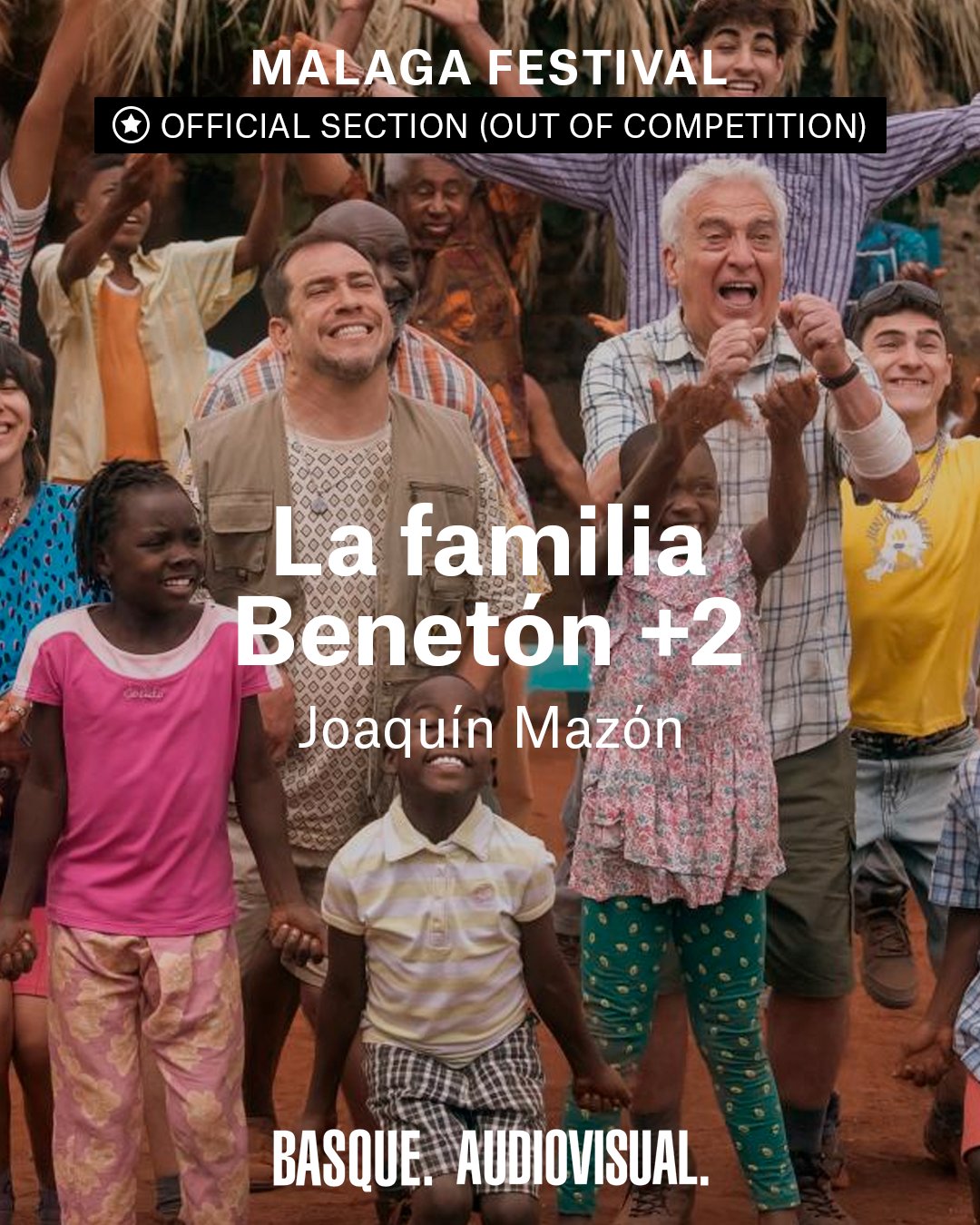
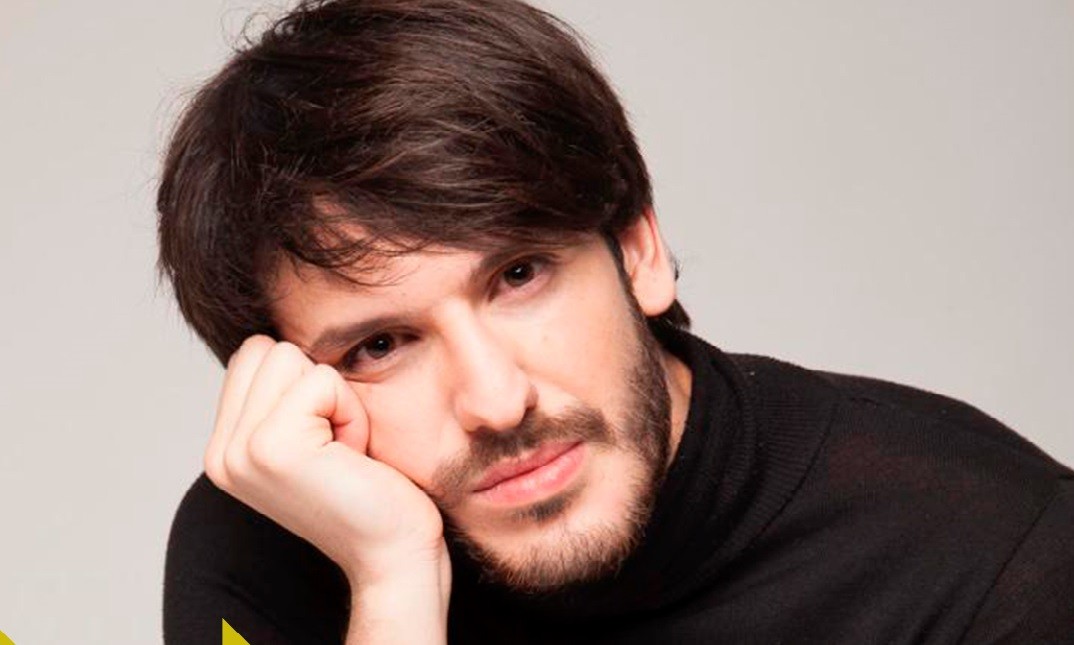
In his second instalment of ‘La familia Benetón’, Joaquín Mazón brings back the characters who won over audiences in the first film, while introducing new elements that turn the family’s life upside down. Between mischievous babies, wild comedy, and family values, the director reflects on the importance of telling relatable stories, moving the audience, and recognising that children are capable of understanding universal conflicts.
‘La familia Benetón +2’ brings back the same characters we met in the first film. What motivated you to continue the story, and how did you decide what new elements to add to this family that audiences already know and love?
Yes, we’ve kept part of the foundation of the first film, with Leo Harlem and El Langui leading the way, alongside the five young actors. We’ve also kept those who, for me, are key to giving the story its solidity: Pepe Viyuela, Iñaki Miramón, and Llum Barrera. To them we’ve added the brilliant Anabel Alonso and Enrique Villén. As for what motivated me to continue the saga, there were several factors. On one hand, it was great to work again with people I enjoy being with, who make the work fun and easier, despite the level of demand I set on set. On the other hand, after the first film I felt I wanted to make something a bit more rebellious, even at the risk of sacrificing a little character development.
The arrival of two new babies turns Toni’s home and life upside down. How did you approach these comic situations so they were both funny and heartwarming, without losing the essence of the saga?
The most challenging thing I’ve ever done on a film set was working with these two babies. It was a real test for everyone, especially the actors. The comedy in this second instalment comes from how these small elements upset the balance the family seemed to have achieved. I always say that the title “+2” also reflects that the film is twice as chaotic, funny, and big as the first, and that’s exactly what we’ve tried to convey in every scene.
Your films combine comedy with family values. For you, what is more important to convey to the audience: laughter, emotional closeness… or both at once?
No matter how surreal the plot is, I think we should always try to tell something relatable. That’s where I feel comfortable. Feeling that I know what I’m talking about is important. After that, the comedy will come naturally: if you know what you’re talking about, you have to let the comedy find you, rather than chasing it or forcing it.
The Benetón family is multicultural, which adds a lot of opportunities in everyday situations. What were you hoping to highlight about the coexistence of different cultures in the same household, and how does that enhance the comedy?
It’s important to talk about something that is present in the audience’s daily life. In this case, I believe that respect for other cultures, different ways of thinking, and differences in general is a vital value in the ‘La familia Benetón’ franchise. Having someone as committed to that message as El Langui is essential and enriching. I must say I’ve learned a lot, and I’ve also been taught by the child actors, as well as Langui and Leo themselves. It’s a wonderful cast.
You’re presenting ‘La familia Benetón +2’ out of competition at the Malaga Film Festival. What does it mean to show it there, and what do you hope the audience takes away from this first encounter with the film?
I love closing the Malaga Film Festival. We did the same with the first film, and it served as a kind of prelude to the incredible reception it had in cinemas. I’m not superstitious, but I felt it was important to repeat that ritual, and I’m very grateful to the festival for it. Also, I think it’s very clever to give such a prominent slot as the closing film to a movie aimed clearly at children or family audiences. It’s an investment in the future, both for the festival and for cinema: they are our next generation of viewers.
After directing the first film and this sequel, what lessons have you learned about telling stories about families, and how do you plan to apply them to your future projects?
I think it’s important to remind yourself that we have an obligation to tell stories. And telling stories doesn’t just mean entertaining; for me, ‘La familia Benetón 1 and +2’ are examples of how you can make people laugh while also moving them and reaching the audience, even the youngest viewers. A major lesson I’ve learned is not to forget that children are capable of understanding universal conflicts, something that’s sometimes overlooked in films for kids. They are more sensitive and intelligent than we often think, and I carry that with me always.