
2026-03-06
“We want the audience to join us without judging, observing and listening instead of labelling”
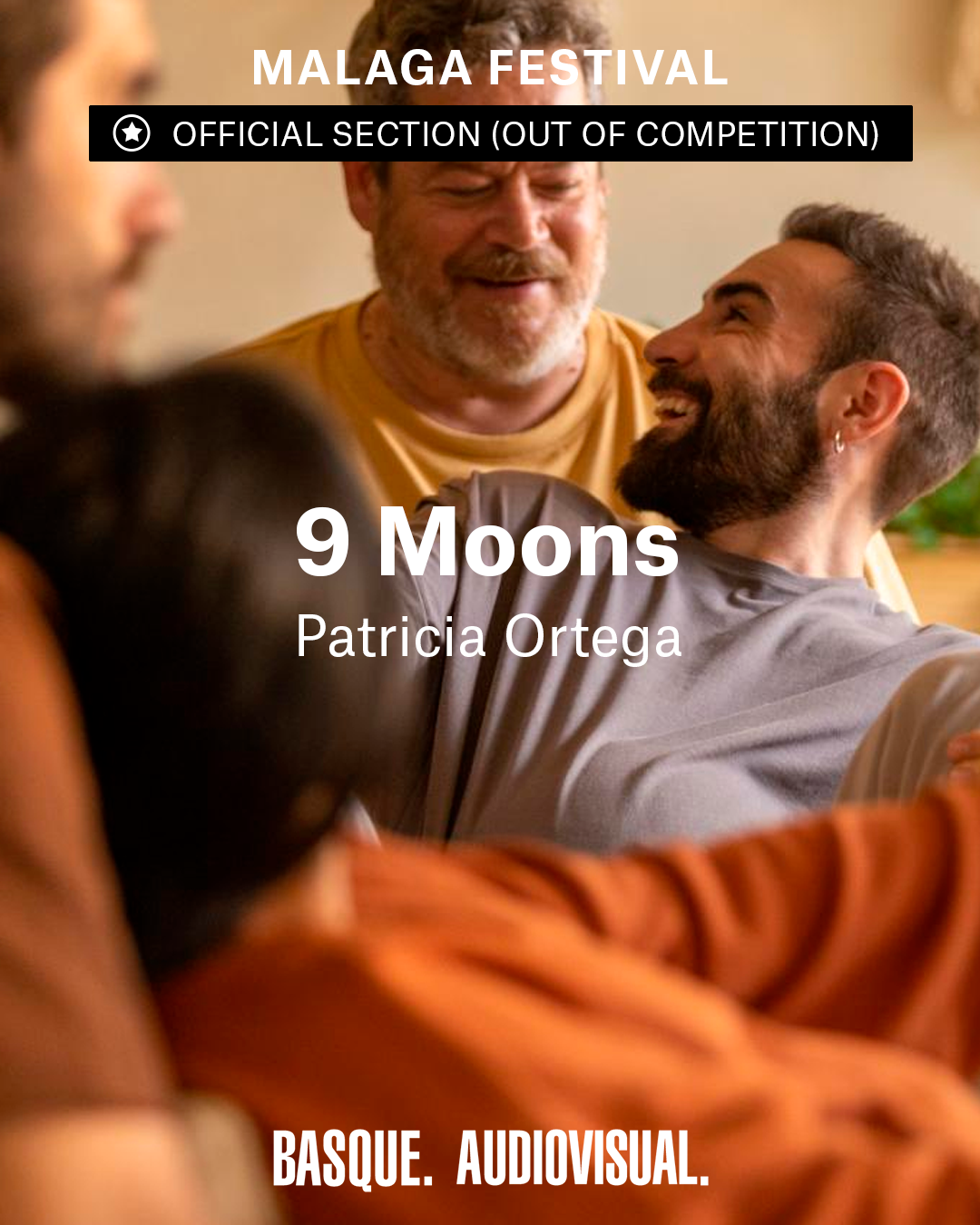
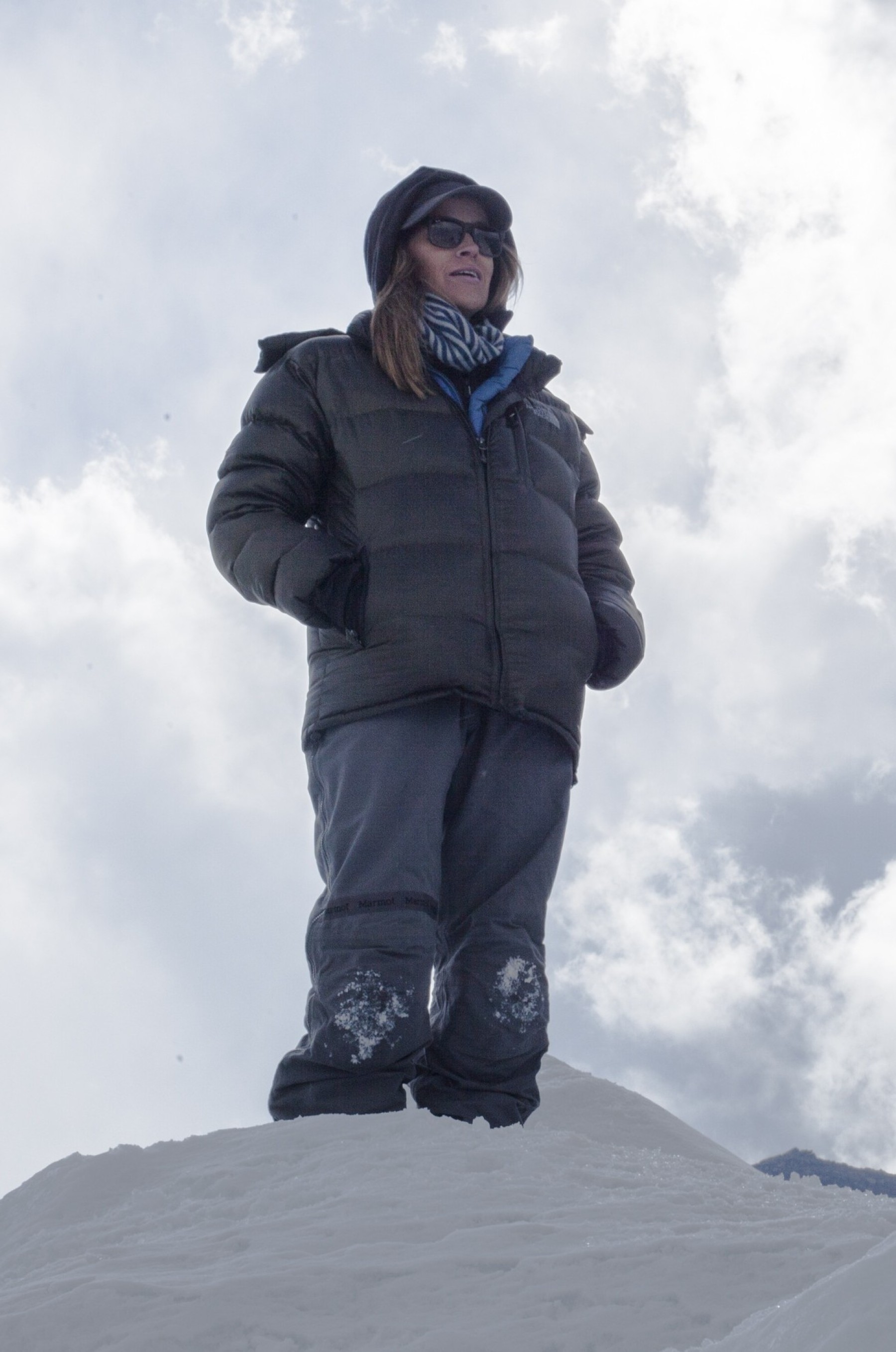
Director Patricia Ortega presents ‘9 Moons’ in the Official Section (Out of Competition) of the Malaga Film Festival. The feel-good comedy follows Ángel, a trans man who, just as he is about to complete his transition, receives unexpected news: he is pregnant. Ortega approaches pregnancy from a unique perspective, exploring identity, masculinity, and the challenges of bringing this story to the big screen.
For those who haven’t seen the film yet, could you tell us what ‘9 Moons’ is about?
It’s a feel-good film that tells the story of Ángel, a trans man who is about to complete his transition when he receives unexpected news: he is pregnant. This forces him to make a decision that will test his identity and his dreams.
The protagonist is a pregnant trans man. What creative or logistical challenges arose in bringing this story to the screen?
One of the most significant challenges in telling the story of pregnancy in a trans person —specifically, a trans man— was, first and foremost, the visual effects: how to design the growth of the belly in a realistic and organic way on his body.
To achieve this, we worked with an excellent company, Barbatos VFX. They scanned the body of Zack, our protagonist, and designed the full transformation and belly growth adapted to his physique. Clearly, every pregnancy is different: each person experiences it differently depending on their body. Not all pregnancies are the same. The challenge, in this case, was to make the pregnancy appear believable and integrate naturally into our protagonist’s body.
From a logistical perspective, it was also complex because we used several types of belly prosthetics. We had full suits worn under clothing, a complete prosthesis for scenes where the body was nude, and a partial prosthesis covering only the front of the belly. This significantly affected the shooting schedule. The belly ended up being almost another character: something that had to be constantly cared for and that determined the way and order in which we filmed the shots.
But beyond the technical and logistical challenges, I think the most interesting challenge was creative and, at the same time, personal: rethinking the very idea of pregnancy and symbolically constructing what we understand by it.
When we think of pregnancy from a normative or conventional point of view, most people automatically associate that image with the word “mum” or a woman. This happens almost unconsciously because it’s what has been culturally normalised. The big challenge was precisely to change that perspective and understand pregnancy from the experience of a trans person —in this case, a trans man.
In the film, we aim to experience this pregnancy through his masculinity and the specific reality of the character. He is someone obsessed with cispassing and with appearing as a “conventional” man —so to speak— within a binary framework. This pregnancy, however, completely challenges that notion, forcing him in some way to deconstruct himself.
For me, the most interesting aspect of the film was being able to observe pregnancy from a male body and question all those symbolic representations we usually associate with normative pregnancy. Even for me, as a cis woman, it was eye-opening. Many of the images and objects culturally used to represent pregnancy —for example, prenatal clothing— not only seem very limiting, but also fail to reflect the experiences of many cis women, let alone trans people.
Opening up that universe, questioning those images, and thinking about pregnancy through other experiences was, for me, the most stimulating creative challenge and, at the same time, one of the most rewarding aspects of the film.
Presenting ‘9 Moons’ at the Malaga Film Festival is a significant platform. What does it mean for you to showcase the film in this context?
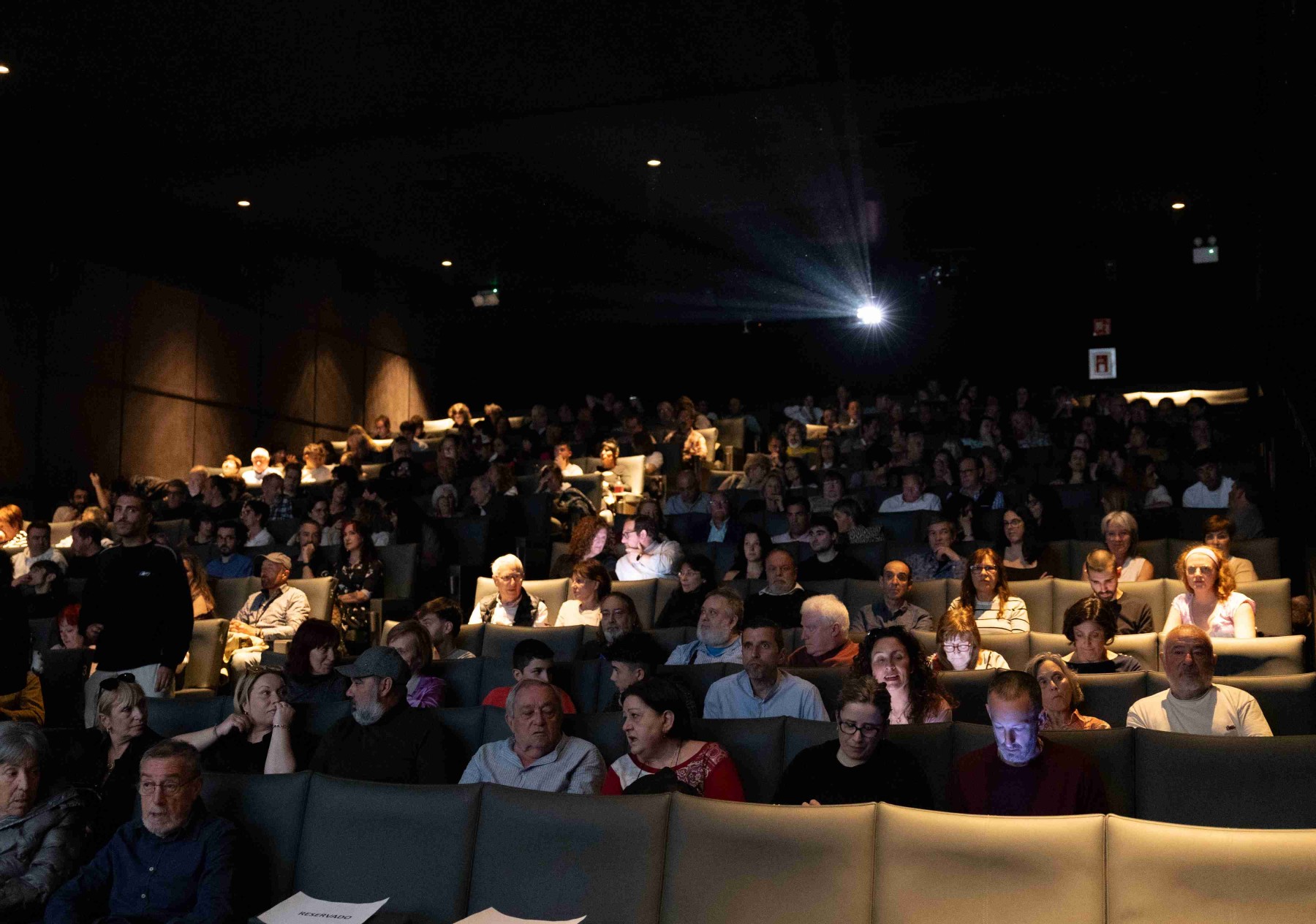
The Malaga Film Festival is a very interesting platform to raise the profile of films and introduce them from a commercial perspective as well. I think the most valuable thing about Malaga is not only its sociocultural dimension —fundamental in any work, especially in cinema, which speaks from human connection— but also its industrial dimension.
On one hand, there’s the direct connection with the audience: with the Malaga community and with viewers who approach cinema out of genuine curiosity and the enjoyment of seeing films that often do not reach commercial circuits. At the same time, Malaga is a festival where numerous actors and film industry professionals meet, both nationally and internationally.
This is very important because it turns the festival into a window of visibility for films: in front of the media, other festivals, critics, and potential distributors. All of this helps boost the circulation of the film, not only in Spain but also in other territories.
I think what’s interesting about the Malaga Film Festival is precisely that balance. On one hand, it maintains the essential value of a film festival: bringing films to audiences who might not otherwise have the opportunity to see them. At the same time, it connects those films with the industrial and commercial sector of cinema, which is essential for them to find their way.
For us, having this as the first screening of the film in Spain represents a very important promotional opportunity. It’s part of the journey that still lies ahead, a path that not only includes the festival circuit but also the commercial life of the film in cinemas and, eventually, on streaming platforms. In this sense, Malaga generates anticipation, gives us visibility, and that is extremely valuable for any film.
When addressing themes such as gender, identity, and social expectations, what do you hope audiences take away from the film?
It’s a profoundly human, existential, and vital story. We want it to spark conversation and raise questions about each and every one of us from a place of empathy. The film offers something very necessary: questions. Cinema invites us to reflect. We want the audience to join us without judging, observing and listening instead of labelling.
After Malaga, do you have plans for an international festival or market circuit?
Yes. Together with our distributor, Caramel Films, and our sales agent, Latido Films, we are working on a festival route, both nationally and internationally, as part of the film’s release and distribution strategy.