
2026-03-10
“The most interesting thing about 'Lapönia' is that from a small anecdote it tackles universal themes that affect us all”
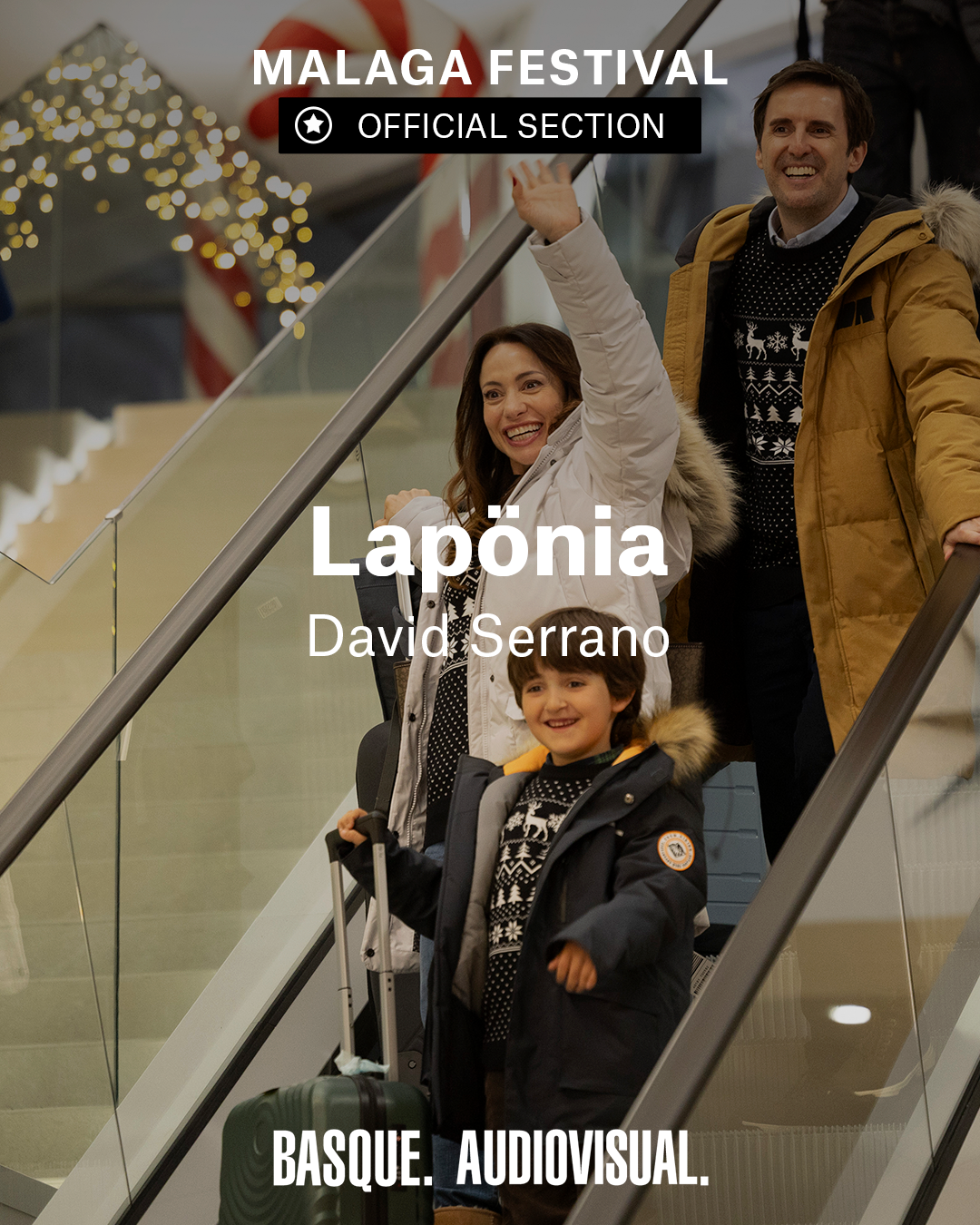
David Serrano returns to the Malaga Film Festival 24 years after his first success with 'El otro lado de la cama' to present 'Lapönia', his new film selected for the Official Section. Starting from an apparently ordinary conflict —the revelation that Santa Claus doesn’t exist— Serrano builds a story that blends comedy and drama, exploring everything from family tensions to universal questions about education, traditions, and happiness.
The film begins with a seemingly minor conflict —the discovery that Santa Claus isn’t real— which escalates into a full-blown family battle. What interested you in turning something so everyday into the trigger for a much deeper crisis?
The most interesting thing about 'Lapönia' is that, from what is almost a small anecdote —when the cousin tells the boy that Santa Claus doesn’t exist and that it’s really the parents— it starts to address themes that affect more than just the family. Not only personal issues that have been kept hidden for a long time, but also matters that concern almost all of us and are highly relevant today. The film debates education, traditions, the best ways to try to make your children happy… and many other topics, which prevent the film from staying just a simple anecdote. At times, it even takes on the tone of a philosophical conversation and tackles universal questions that, in one way or another, touch everyone.
The premise mixes comedy with drama and emotional tension. How did you work on balancing humour and conflict so the story retains both impact and humanity?
When drama and comedy coexist in a film, the challenge is not to go too far in either direction: not to become overly tragic or excessively parodic, and to play everything truthfully. You have to avoid trying to be funny, which is the worst thing you can do in a comedy. In this regard, the most important thing was having extraordinary actors who understand that the only way to deliver a good performance is with honesty. And that truth has to be present in both the comedic and the dramatic moments, without overdoing it in either the lighter or the more serious parts of the film.
What was the biggest challenge in bringing this story to the big screen?
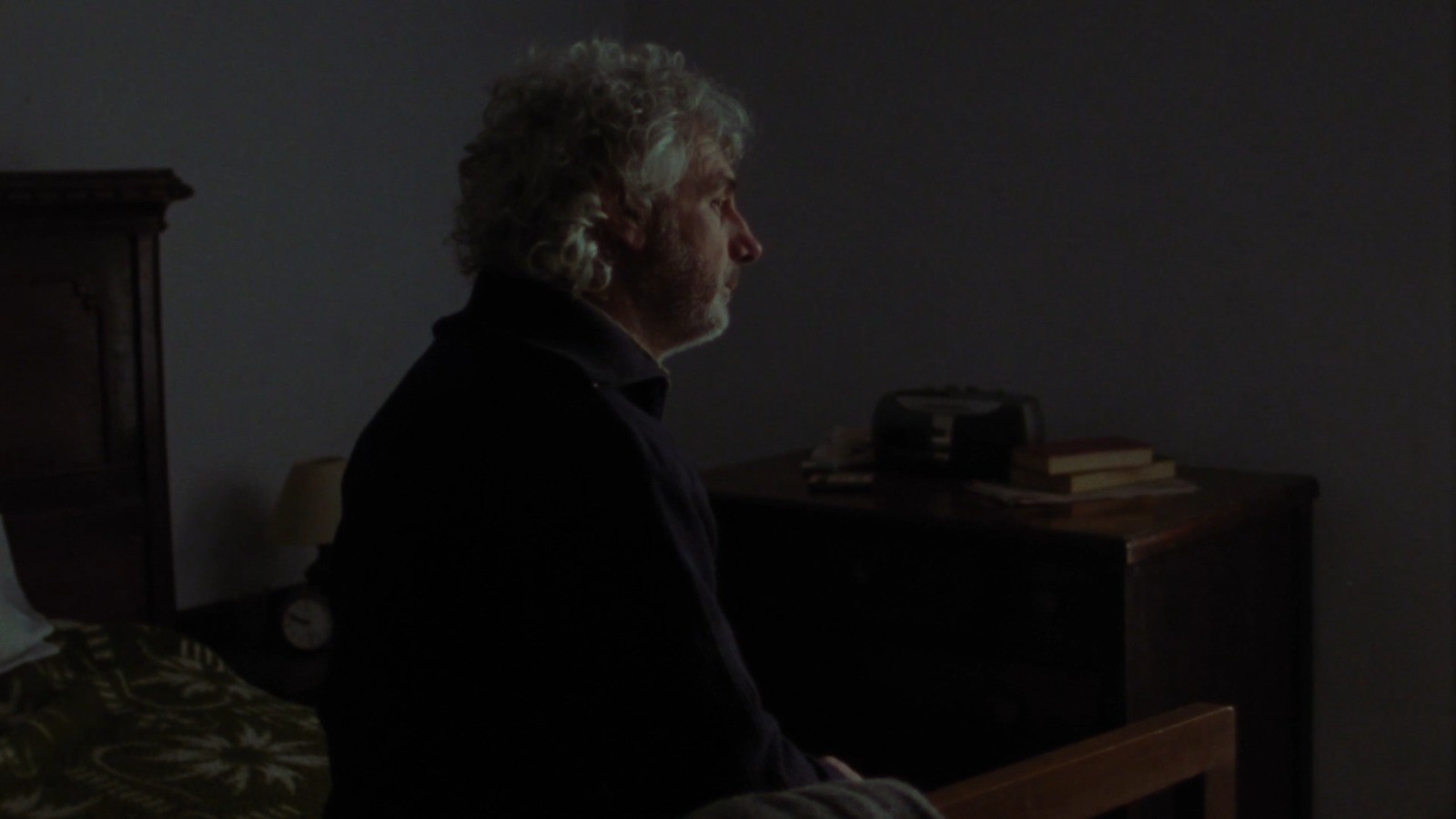
Any film set in a single location is a challenge for both the director and the director of photography. I think that was the greatest difficulty we faced: giving the story a cinematic feel, making it entertaining and engaging without it becoming heavy. We also had to move the characters around the house so it didn’t just feel like four people sitting and talking. And, as I mentioned before regarding the mix of comedy and drama, we had to make sure there weren’t jarring shifts between the two, so that transitions from funny to dramatic happened almost imperceptibly.
'Lapönia' is part of the Official Section at the Malaga Film Festival. What does it mean for you to present the film in this context, and what do you hope audiences take away from the experience?
I was at the festival with the first film I wrote, 'El otro lado de la cama', which actually won, back in 2002. Returning 24 years later is always special and very exciting. On top of that, I’m really looking forward to people seeing 'Lapönia'. It will be the first time we face a general audience, and I’m eager to share it with the viewers in Malaga. I hope they enjoy it a lot. I think it’s a film that will interest them: an intelligent comedy, a film that makes you think, and the kind of movie that leaves you wanting to discuss it with the person you came with.