
2026-03-09
"We want each person to find something of their own within the story"
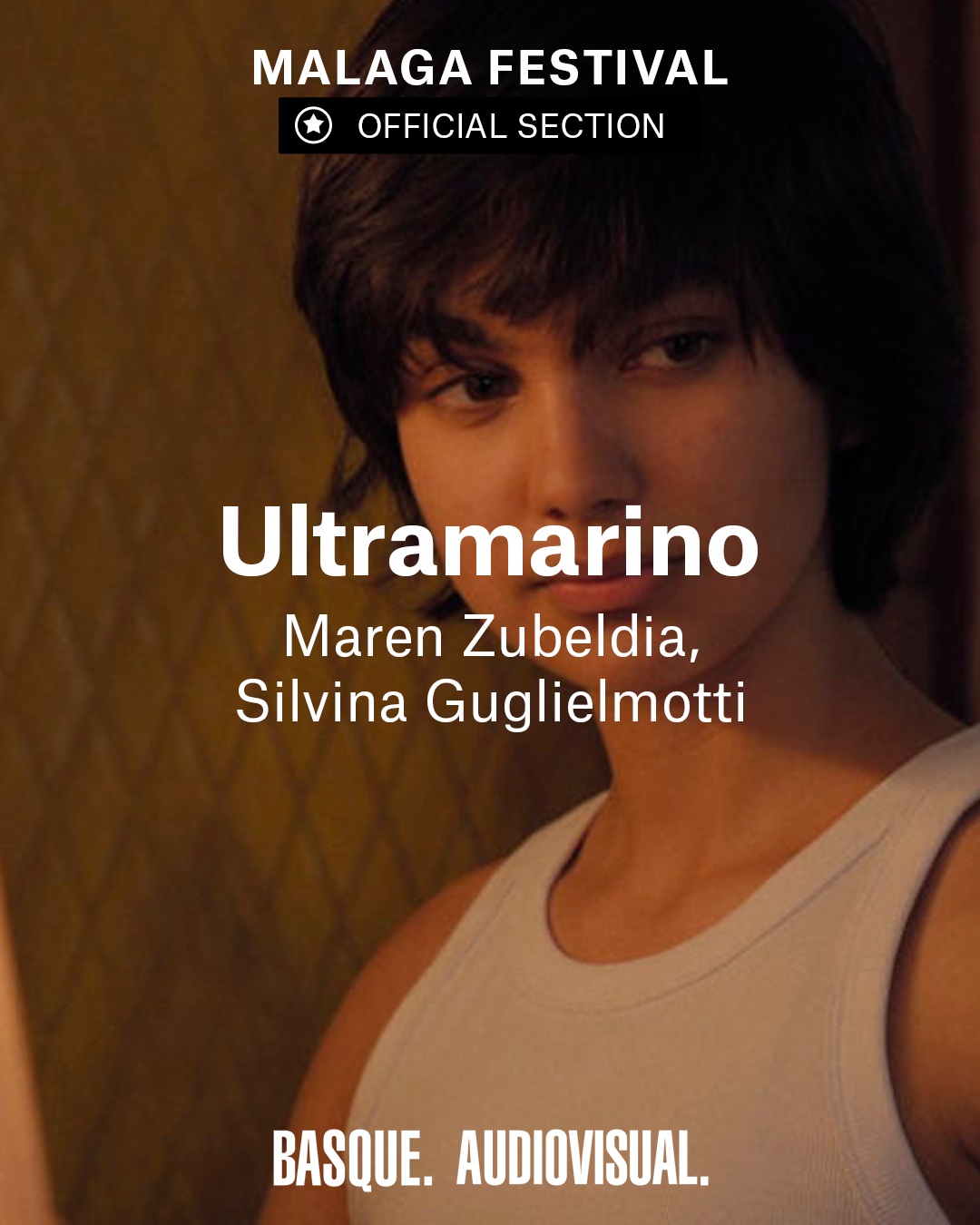
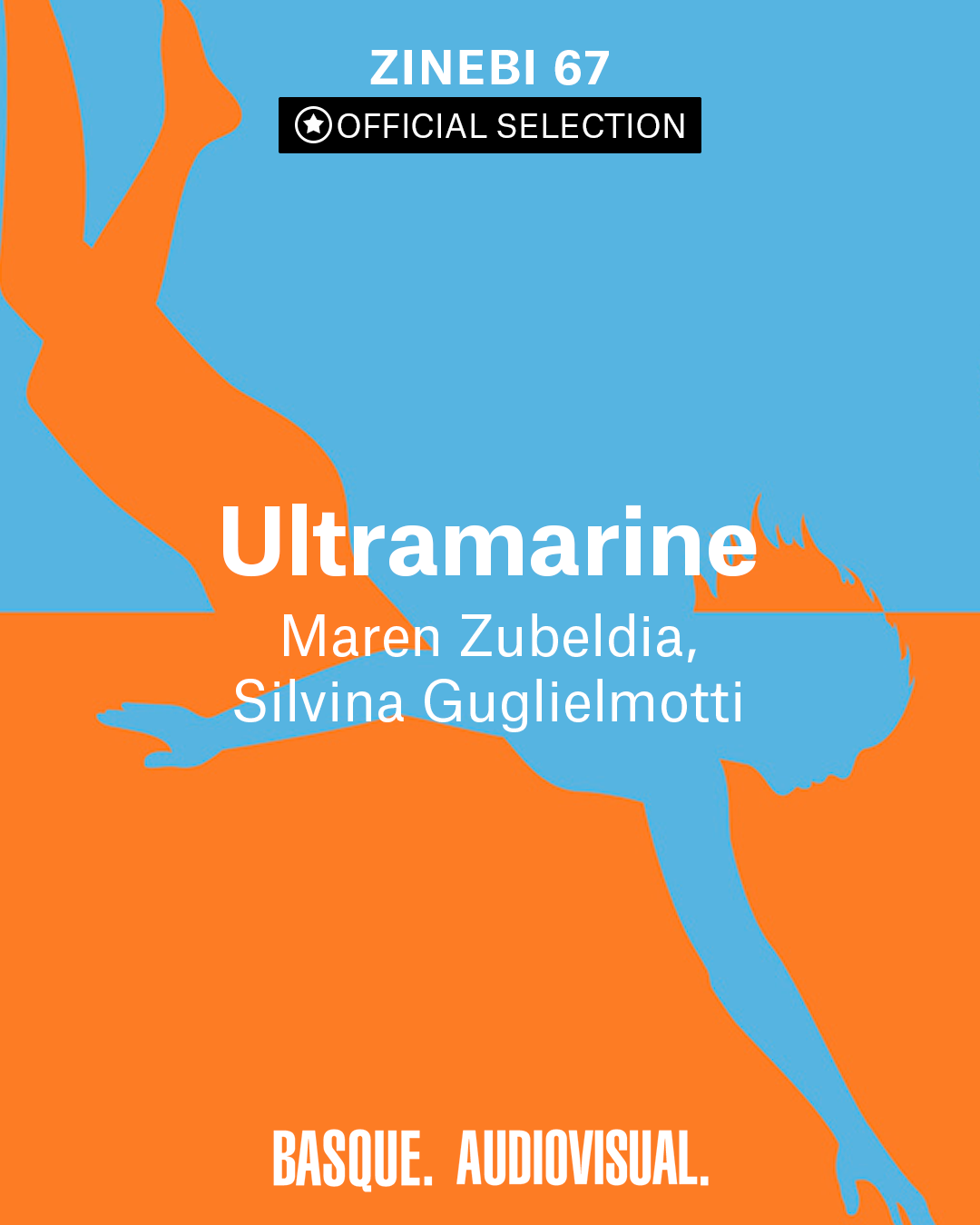
‘Ultramarino’, the short film by Maren Zubeldia and Silvina Guglielmotti, has been selected for the Official Section of the Málaga Festival, following its journey through festivals such as Zinebi and Bogoshorts. With sensitivity and an intimate perspective, the film explores identity and non-binary bodies, questioning social norms and gender roles that are often taken for granted. In this interview, the directors discuss how each screening transforms the story, how audiences become part of it, and how their short film seeks to create a space for recognition and reflection for everyone.
What does it mean to you that Ultramarino has been selected for the Official Short Film Section at the Málaga Festival?
Silvina Guglielmotti: It’s our first film as directors, and we’re experiencing it with a mix of surprise and calm. For a long time, ‘Ultramarino’ was a very personal process, built from intuition and constant dialogue between the two of us. Today, seeing it begin its journey through festivals feels, above all, like a stroke of luck: the luck that the film has found those who wanted to watch and share it, and the luck of starting to raise questions that, during the process, were very intimate for us.
Maren Zubeldia: Málaga is an important festival, and for ‘Ultramarino’ to have a place in the Official Section is a huge boost for us as directors. It’s a short film written from a very personal concern and intention. We asked ourselves whether it’s possible to live in a non-binary world and, beyond that, to inhabit a non-binary body within our society. We want to reach all kinds of audiences to share this concern. Hopefully Málaga will open the way within the festival circuit; we will try to reach every corner we can.
Do you feel this selection marks a before and after for the project?
Silvina: I’m not sure I would call it a before and after, but rather a change of stage. As the short begins its journey, another relationship with it also begins: resonances appear that no longer depend solely on us, and that transforms the life of the film.
Maren: It’s a huge joy to be selected for a festival like Málaga; we were absolutely thrilled when we received the news. We’re already preparing our next projects, and something like this undoubtedly gives you confidence to keep writing and to try to get the next project off the ground. In any creative process, there are tough moments when you lose perspective and motivation, and news like this helps to regain both confidence and the drive to carry on.
Since the premiere at Zinebi, how has your relationship with the film evolved?
Silvina: Zinebi was the first time I could watch it without being caught up in the process of making it. From there, my relationship with the film changed: I began to view it from a greater distance and to recognise how each screening reveals different nuances, especially when observing how very different people approach the story from unexpected perspectives. Over time, it became less tied to our initial intention and started to be defined also by what emerges in each screening.
Maren: After Zinebi, we went to Bogoshorts in Colombia. There, the audience surprised us with their reactions, as many were very young and highly interested in Basque traditions and gender dysphoria. We realised that we had achieved one of the goals we set when telling this story: we wanted to create a point of reference, a mirror in which people could see themselves, a character that challenges binary gender markers without it being a trans story. This is a non-binary story. Each screening gives us different reactions and conversations with the audience, and I feel that, more and more, this story is less ours and more the people’s with whom we share it.
How has Ultramarino’s journey through festivals been? And what have the recognitions the short has received meant to you?
Silvina: We experienced the journey step by step. Being included in the Kimuak catalogue was especially important, as it allowed the film to start travelling and to find a path that would have been very difficult for us on our own. From there, selections followed, such as the Gijón International Film Festival, Zinebi, and the international premiere at Bogoshorts—experiences we lived with great gratitude. Each invitation has been a form of support for the film and an opportunity for it to continue its journey beyond the place where it was born. Now that it continues at the Málaga Festival, we experience it with the same gratitude towards those who make it possible for these stories to find space and projection.
Maren: I’m very surprised that we’ve received such varied reactions from people of very different ages. Teenagers have approached us, but also older people. Many have asked the same question: “But what is it, girl or boy?” I like being asked that. The way we socialise reveals a deep limitation: the inability to accept gender as fluid and the constant need to fit everything into that duality. We want to make it clear that non-binary identities and bodies exist, and they deserve a place in our society. But not only in society: also in representation—in books, films, theatre… That’s why we are committed to telling Zazu’s story.
Have you received messages from people who have felt identified with the story?
Silvina: Yes, and the interesting thing is that the messages come from very diverse experiences. Some people talk about identity, others about their relationship with traditions or the role they are expected to occupy. That’s when I realised that the film is not only recognised in its specific context, but also in feelings that many people have experienced in different ways.
Maren: ‘Ultramarino’ is a story that questions many social norms that are sometimes so embedded in our society and in the way we see the world that we don’t even stop to question them. By engaging with audiences after the screenings, we’ve been able to discuss the customs we inherit and the roles we reproduce. We believe that everyone has, at some point, felt out of step with a social norm, and the audience has experienced that in watching the short film.
What do you hope will happen now at Málaga?
Silvina: I would like each person to find something of their own within the story. Although it stems from a very specific tradition, ‘Ultramarino’ speaks to something quite universal: the need to belong and, at the same time, the difficulty of occupying the place that others expect of you. Hopefully the film will allow people to recognise themselves from there—whether through their connection to traditions, through doubt, or through that feeling of not fully fitting into the system that surrounds us.
Maren: We have set Zazu’s story in a small fishing village in Euskal Herria, but we believe it addresses a universal theme. Showing the short film at different festivals outside our region will allow it to connect with other traditions and cultures. We want this to serve to question the binary roles we reproduce and the inheritances we receive almost unconsciously, to claim a space for identities and bodies that do not fit within that duality, and at the same time to highlight the violence they endure.
After this journey, what stories do you feel you need to tell now?
Silvina: I’m currently developing ‘La Esquela’, a short film that examines what happens when someone dies and how relationships are reorganised around the farewell. If in ‘Ultramarino’ the body was a territory in transformation, here there is an absent body that, nonetheless, continues to speak and influence those who remain. I’m interested in continuing to explore the body as a site where conflicts are activated. It’s a project that begins as a short film and, hopefully, can grow and develop into something broader over time.
Maren: This time, I’ve dared to write alone. I’m working on the script for a feature film that tells the story of an eleven-year-old girl who experiences the awakening of an innocent love for her hockey coach, an 18-year-old student who, due to an injury, has had to give up the sport. The girl receives an invitation to take part in an important hockey training camp and must decide whether that is what she truly wants. This decision will mean not being part of her school team the following term and, therefore, not seeing her coach again.