
2026-09-17
“All films about death are really films about life”
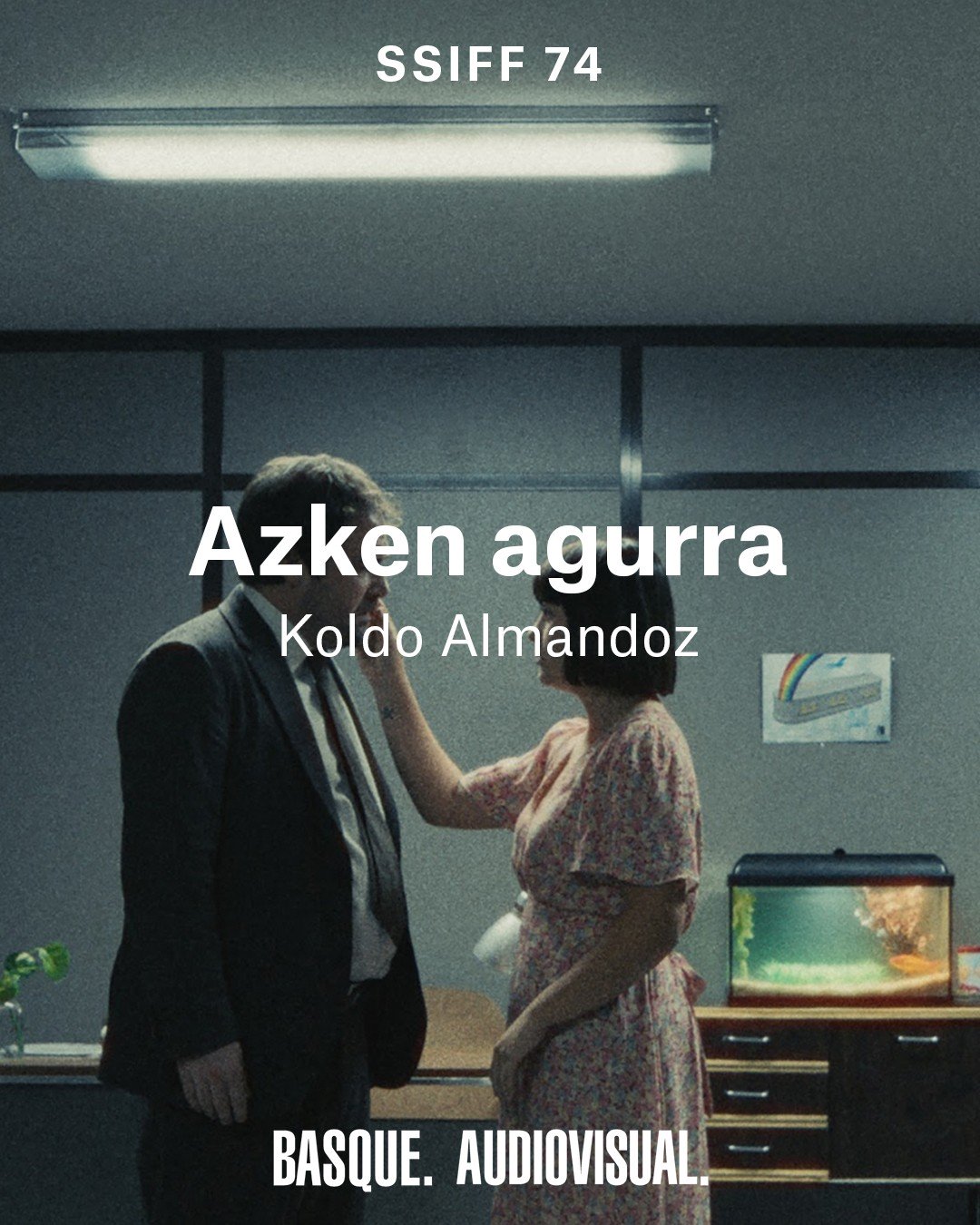
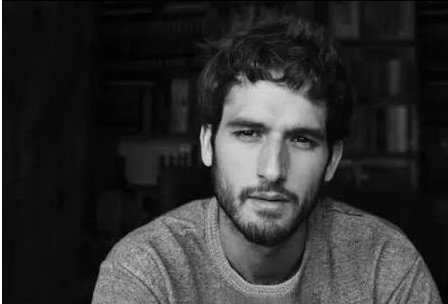
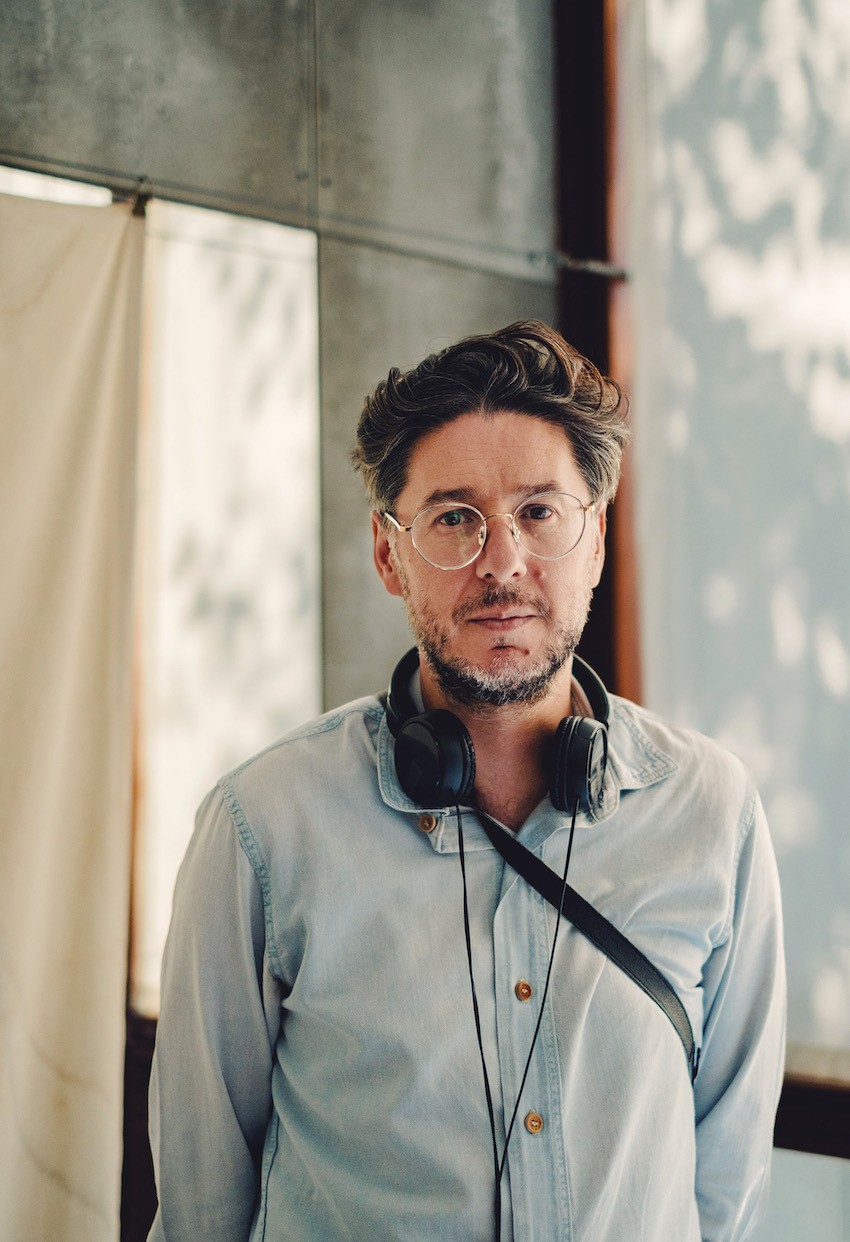
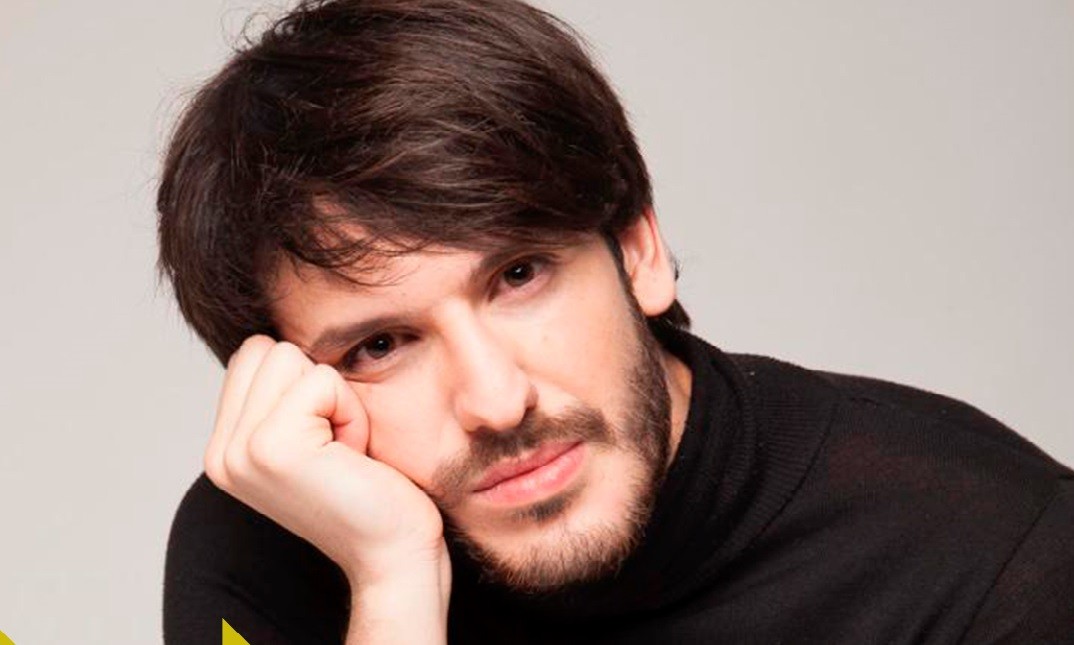
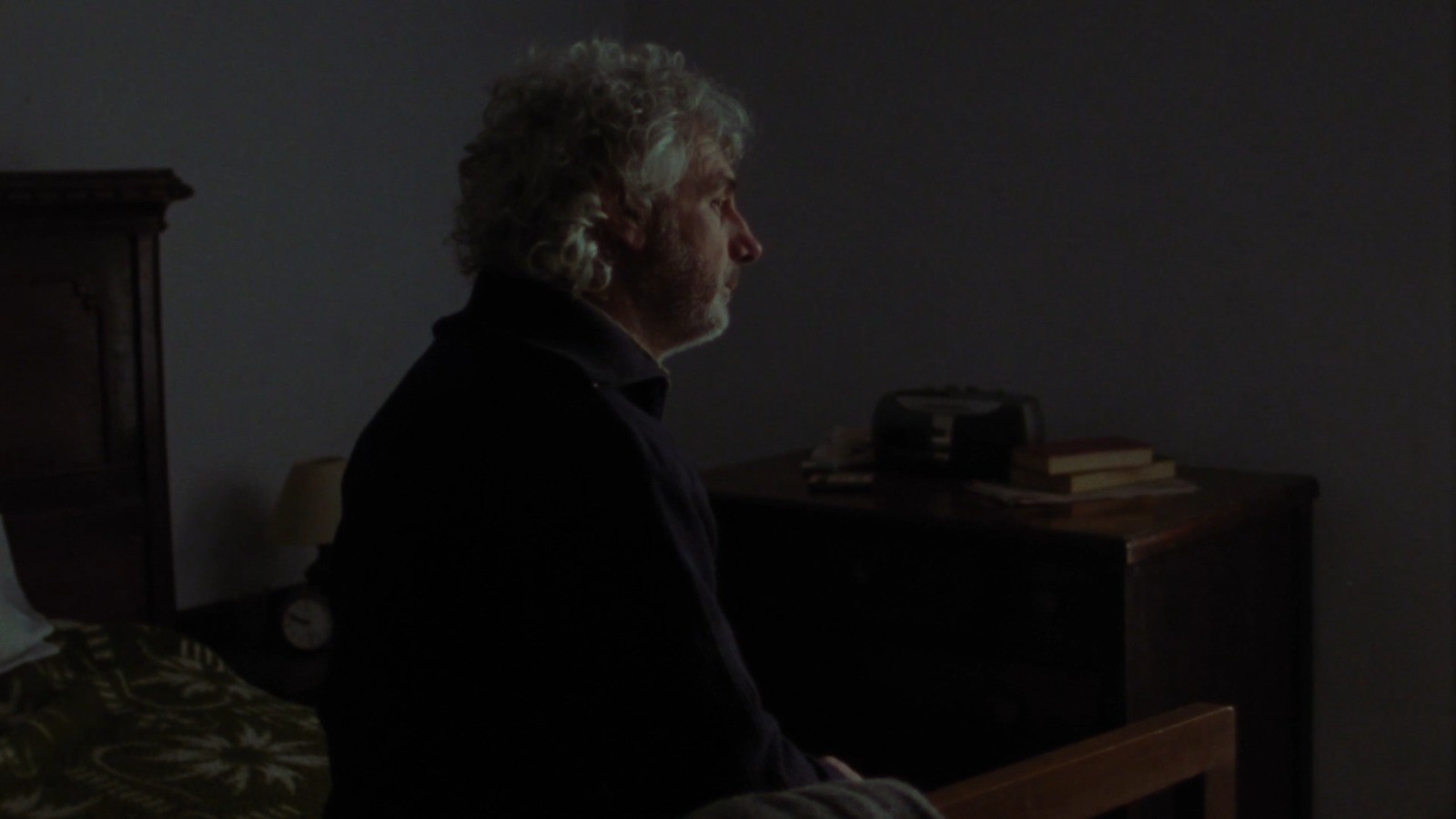
San Sebastian-born director Koldo Almandoz presents ‘The Last Goodbye’, an existentialist comedy shot entirely in Basque, which will have its world premiere in the Official Selection of the San Sebastian Film Festival.
How did the idea for the film ‘The Last Goodbye’ come about, and what made you want to tell a story about death from such an unconventional perspective?
The story had been with me for a long time. Unfortunately, it’s not easy to come up with an idea and get it made in a short space of time. I wanted to make a classic-style film, set in the present day, but with a timeless quality. I also wanted to explore a subject I know well: the small miseries of grown men.
The film centres on a company that organises personalised secular funerals. What did you want to explore through this idea, and what did you want to say about our relationship with death?
Grief is an experience that we all have to go through at some point in our lives. In this film, the protagonist is a man who organises and leads the mourning process, and his profession is really just an excuse to talk about many other things. All films about death are really films about life, which is why it has an existentialist comedy feel to it.
The film combines dark humour, irony and tenderness, but it also has a very human and existential dimension. How did you find the right balance between these different elements to create the film’s tone?
It’s a process of discovery, and in my case, at least until the very end of the film, things are rarely set in stone or fully decided. On the page, in the script, things work in a certain way and have their own internal logic, but once you start shooting, things begin to change. That’s the moment I find the most delicate — and magical — because that’s when the film’s tone emerges. Several factors come into play in that process: the actors’ work, cinematography, sound, locations, production design...
The film was shot entirely in Basque and will have its world premiere in the Official Selection of the San Sebastian Film Festival. What does it mean to have the film reach a platform like this and such a wide audience?
I’m really pleased that it can premiere in the same city where it was filmed, because the people who were involved in making the film will be able to see it.
Having taken part in the Festival on numerous occasions and in different capacities, how are you approaching the premiere of your third feature film?
Happy and relaxed. The Festival is a huge whirlwind, presenting so many different films. Ours is just one of them, and I’ll try to enjoy the experience with our team and friends.
What will the journey of ‘The Last Goodbye’ look like after its premiere in Donostia? Are there any other confirmed festival selections or plans for a cinema release?
I’m particularly pleased because, after San Sebastian, we’ll be giving the film its international premiere at a major A-list film festival that I can’t announce yet. It’s been important to me that the film has generated so much interest internationally. I’m glad that, at least in this case, it’s been purely because of the film itself, rather than industry connections or other interests.
And looking ahead, do you have any new projects in the works, or any stories you’d like to bring to the screen in the near future?
There are always projects in the pipeline, but as I said, getting a project off the ground takes a great deal of time and effort. Personally, I don’t like to say I have a project until I have the means to make it happen. Everything else is just dreams or hot air.