
2026-09-08
“I wanted to get closer to the hibakusha, convinced that they are the ones who can best teach us the value of peace”
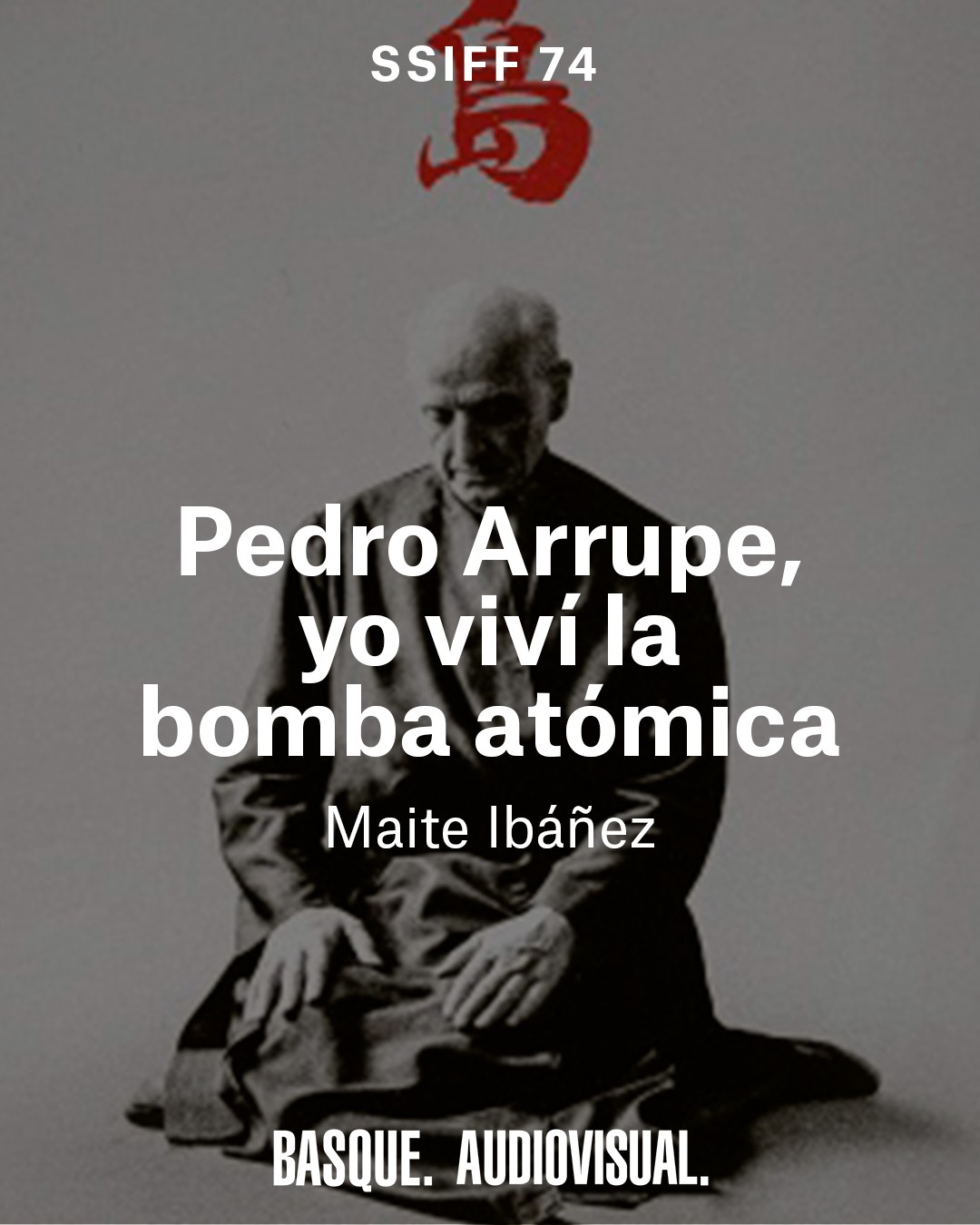
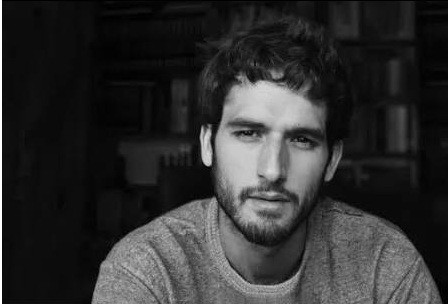
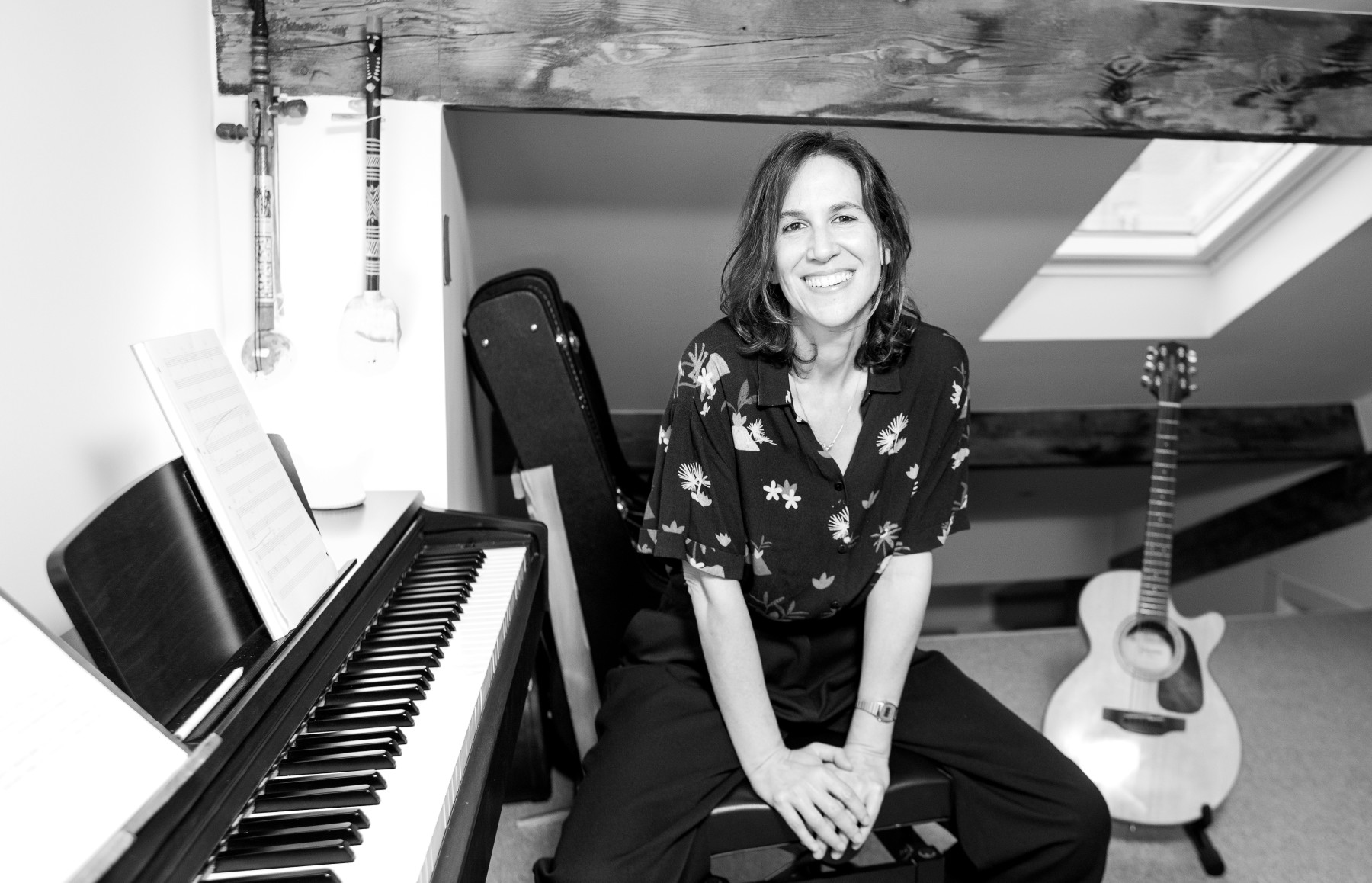
Director Maite Ibáñez presents 'Pedro Arrupe, I Survived the Atomic Bomb', a documentary that reconstructs the experience of the Basque Jesuit during the bombing of Hiroshima and, 80 years on, brings the testimonies of the bomb’s survivors back to the fore.
To begin with, could you tell us what 'Pedro Arrupe, I Survived the Atomic Bomb' is about and what story you wanted to bring to audiences through this work?
The documentary starts from a historical event that we all believe we know: the dropping of the first atomic bomb on Hiroshima on 6 August 1945. However, our collective memory has largely retained the image of the mushroom cloud, while the stories of those who experienced that tragedy on the ground have remained much more silenced.
Among those little-known stories is that of the Basque Jesuit Pedro Arrupe. On 6 August, Arrupe was a novice master in Nagatsuka, just six kilometres from the epicentre of the explosion. Not only did he survive the bombing, but he also turned the novitiate into a makeshift hospital and personally treated hundreds of wounded people, saving the lives of more than 150. That experience profoundly transformed his life and set him on the path that years later would lead to his election as Superior General of the Society of Jesus.
But this documentary is not simply an evocation of the past or a biography. It is also a journey through the present. Eighty years after the bomb was detonated, together with Leyre Arrieta, a lecturer at the University of Deusto, we embark on a journey through the Japan Arrupe knew, his homeland and the Vatican. We want to follow in his footsteps to understand what his legacy means today. Along the way, we speak to people who knew him personally in Japan, survivors of the atomic bomb — the hibakusha —, victims whom he treated and descendants of some of the people whose lives he managed to save. In Rome, we also meet experts on his life and work, the Society of Jesus's Postulator General, who is leading the process for Arrupe's beatification and canonisation, and Father Sosa, Superior General of the Society of Jesus.
The documentary speaks of something universal: the human capacity to respond with humanity in the midst of horror, memory as a responsibility, and the need to continue looking squarely at the consequences of nuclear violence.
'Pedro Arrupe, I Survived the Atomic Bomb' is a physical, emotional and educational journey that reminds us that Hiroshima and Nagasaki do not belong solely to the past, but continue to challenge us profoundly in the present. But that is not all. It also shows us a way of understanding the Church — close to people, committed to justice, peace and the most vulnerable — that remains remarkably relevant today.
For me, this documentary also represented a unique opportunity. Why? Because it was probably the last chance to record the testimonies of those who knew Father Arrupe personally and, at the same time, to give a voice to the “hibakusha”. Both groups are very elderly; many are approaching or have passed the age of 100. And yet they continue to feel a responsibility to tell what they experienced so that younger generations do not forget.
There is a message I was very keen to convey. The danger of atomic energy being used for military purposes has not disappeared and, as long as nuclear weapons exist, Hiroshima and Nagasaki will continue to serve as a warning. That is precisely why the voices of the “hibakusha” are as necessary today as they were 80 years ago.
How did the project come about? What was it that sparked your interest in telling Pedro Arrupe’s story from this perspective?
It all began with a book I read when I set out on the Camino de Santiago from Loiola. At the Sanctuary, a colleague from the production company discovered the book ‘Pedro Arrupe. I Survived the Atomic Bomb’. After reading it, he realised that this was a little-known episode in the Jesuit’s life and that, given who he was — a truly universal Basque figure — and with the 80th anniversary of the atomic bombings of Hiroshima and Nagasaki approaching, it was a story that would be very interesting to tell.
He presented the project to New Servicing Media Euskadi, and we decided to explore its feasibility. Once the financial structure had been put in place, we were able to count on a number of enthusiastic collaborators who supported the project, and we began working on the treatment and an initial draft of the script.
My interest in the project stemmed, first and foremost, from the choice of the subject himself. Having studied at the University of Deusto, I was familiar with the name of Father Arrupe. I knew that he had gone on to become Superior General of the Society of Jesus and that he was a man ahead of his time, convinced that the Church should actively commit itself to supporting refugees and those most in need. However, beyond those references, I knew very little about his life and wanted to find out more.
That interest was joined by another motivation that was very important to me: speaking about the horror of war and the nuclear threat precisely at a time when we were marking 80 years since the dropping of the first atomic bomb. I believe this anniversary compelled us to look back, not only to remember what happened, but also to reflect on a danger that is still very much present.
But, above all, I wanted to use this opportunity to give a voice to the victims. That has always been one of the driving forces behind my professional career in the audiovisual industry. I wanted to get closer to the “hibakusha”, convinced that they are the ones who can best teach us the value of peace and what the horror of armed conflict really means.
Throughout the research and production process, what challenges did you encounter? Was there any discovery or moment that changed the way you understood the story?
The main challenge with this story was building a project that takes place primarily in Japan and Rome, while producing it from the Basque Country. On paper, everything seems possible, but turning that idea into reality required an enormous amount of research, coordination and trust between the members of the team. There was a very intensive pre-production process behind it, with months of work, coordinating with our contacts in Japan and with the support of the Society of Jesus. It was a collective effort that made it possible to tell this story through the voices of those best placed to tell it.
The documentary had a very clear starting point: the book ‘Pedro Arrupe. I Survived the Atomic Bomb’, from which the film takes its title. From the outset, we wanted that account to be our guide. Our researcher, Leyre Arrieta, had to travel to Japan and Rome with the aim of interviewing people who, after all these years — in some cases, 80 years — could tell us stories that would resonate with those Arrupe himself had written down. Nothing more, nothing less.
We dreamed of interviewing Jesuits who had shared years of work with him, victims of Hiroshima whom he had treated after the bomb and their relatives, who still feel a deep sense of gratitude towards him. We hoped to meet residents of Nagatsuka who had lived alongside Arrupe and whose lives had been changed by his influence. Ultimately, we wanted to reconstruct Arrupe's story through the people who knew him and those who continue to live with the legacy he left behind. At the outset, it seemed impossible, which is precisely why achieving it makes it so valuable.
We sought them out because the script treatment we developed is based on some of the book's most significant passages. As these are accounts that cannot be illustrated with archive footage, we decided to recreate them using artificial intelligence. However, this visual resource was never an end in itself, but rather a tool serving a much more important purpose: to highlight the value of Arrupe's written testimony and to see how, 80 years on, his words continue to resonate with and be echoed by the voices of those who shared that experience with him. This extraordinary correspondence between the written account and the memories of the people who lived through it is undoubtedly one of the documentary's greatest strengths. This is where it truly comes into its own: memory ceases to be merely a written account and becomes a living experience.
The film will be part of the Zinemira section at the San Sebastian Festival. What does it mean to you and the whole team to present the film in this context?
Having 'Pedro Arrupe, I Survived the Atomic Bomb' selected for the Zinemira competition is, above all, an immense source of pride. Knowing that the documentary has been recognised among the most outstanding Basque productions of the year is a tremendous honour. Moreover, being part of the section dedicated to Basque cinema and having the opportunity to premiere the documentary under the umbrella of the Zinemaldi represents the best showcase we could have imagined for this project.
When I received the news, I felt a mixture of excitement, joy and gratitude that is difficult to describe. There is a great deal of hard work and shared enthusiasm from many people behind this documentary. That is why being selected for Zinemira not only recognises the final result, but also acknowledges the efforts of a fantastic team.
What do you hope audiences will take away after watching 'Pedro Arrupe, I Survived the Atomic Bomb'? Is there a particular reflection or conversation you would like the film to spark?
Above all, I hope this film captivates viewers from the very first minute and holds their attention right through to the end. I want them to remain actively and attentively engaged, discovering who Pedro Arrupe was and understanding the depth of his legacy.
But, above all, I hope that those who see the film will be moved by the “hibakusha”. That is what has affected me most throughout the entire process. They lived through a horror that is almost impossible to imagine: they survived the bomb, suffered physical and emotional wounds, lost loved ones and had to rebuild their lives in a post-war period marked by pain, rejection and hardship. And yet, they are the ones who step forward to tell their stories.
There is something profoundly generous about that. They could have chosen silence. Instead, they continue to speak. They continue to bear witness, looking the younger generations in the eye and asking them, almost in desperation: What is happening to us? What have we failed to learn? Why do we keep repeating the same mistakes?
There are several moments in the film when some of them say that they want to stay alive because they still have a mission: to keep telling the story of what happened. Not for themselves, but for those who come after them. So that one day, no one can say they did not know.
If, when they leave the cinema, someone is thinking: how horrific war is; how horrific nuclear weapons are; how is it possible that we do not listen more closely to those who lived through this, then I will feel that this work has fulfilled its purpose.
After its premiere in San Sebastian, what are the documentary's next steps? Are you planning to take it to other festivals or release it in cinemas?
The documentary will next travel to Bilbao, Arrupe's hometown, and to Mungia, where his family originated. It will be screened at the ZINEBI festival in November. It will then have a commercial cinema release and will be broadcast on both ETB1 and ETB2, as well as on TVE. Our aim is for it to reach Japan too. Our dream is for it to be screened in Hiroshima.