
2026-09-14
“Identity is always at risk, but it always finds a way to survive”
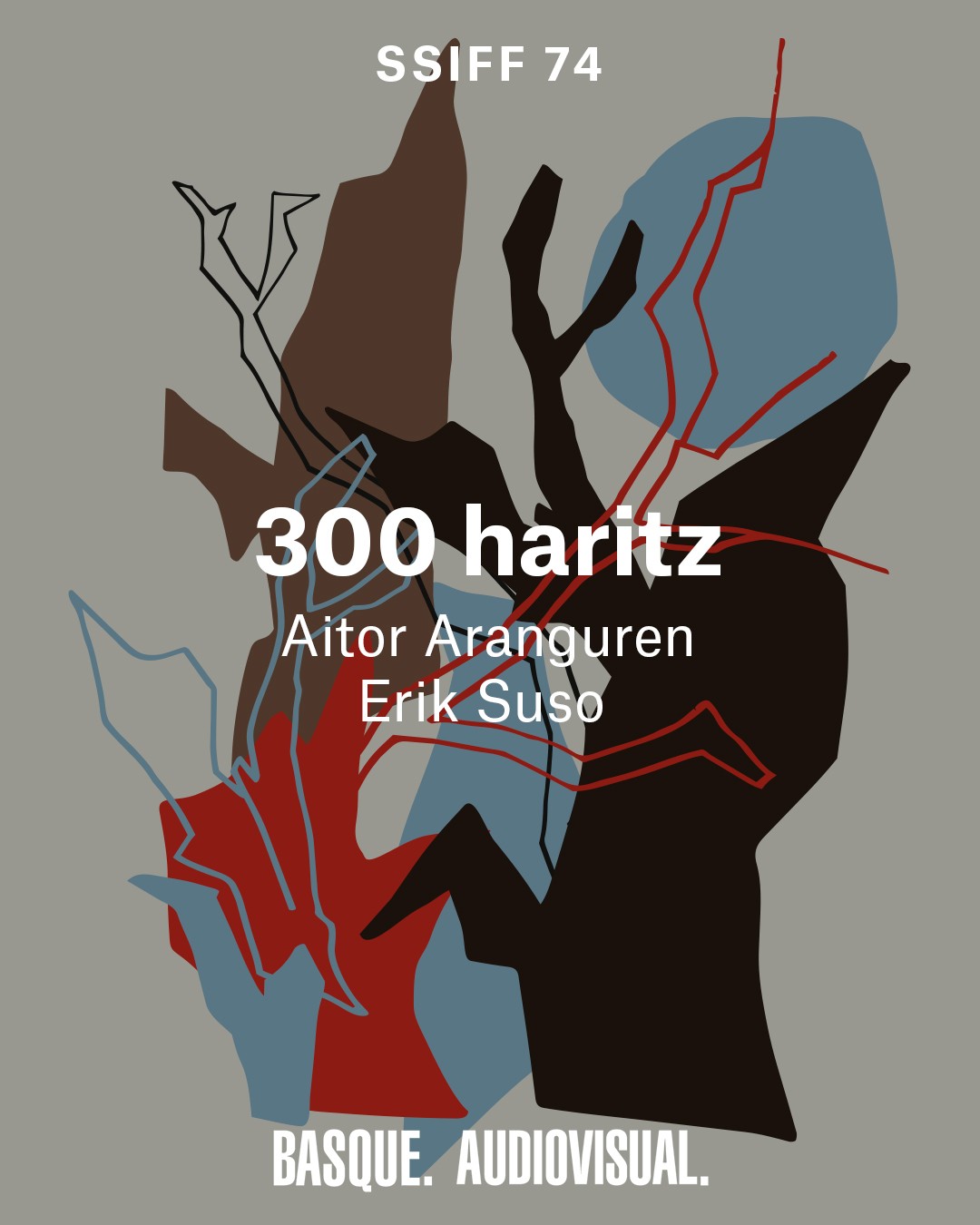
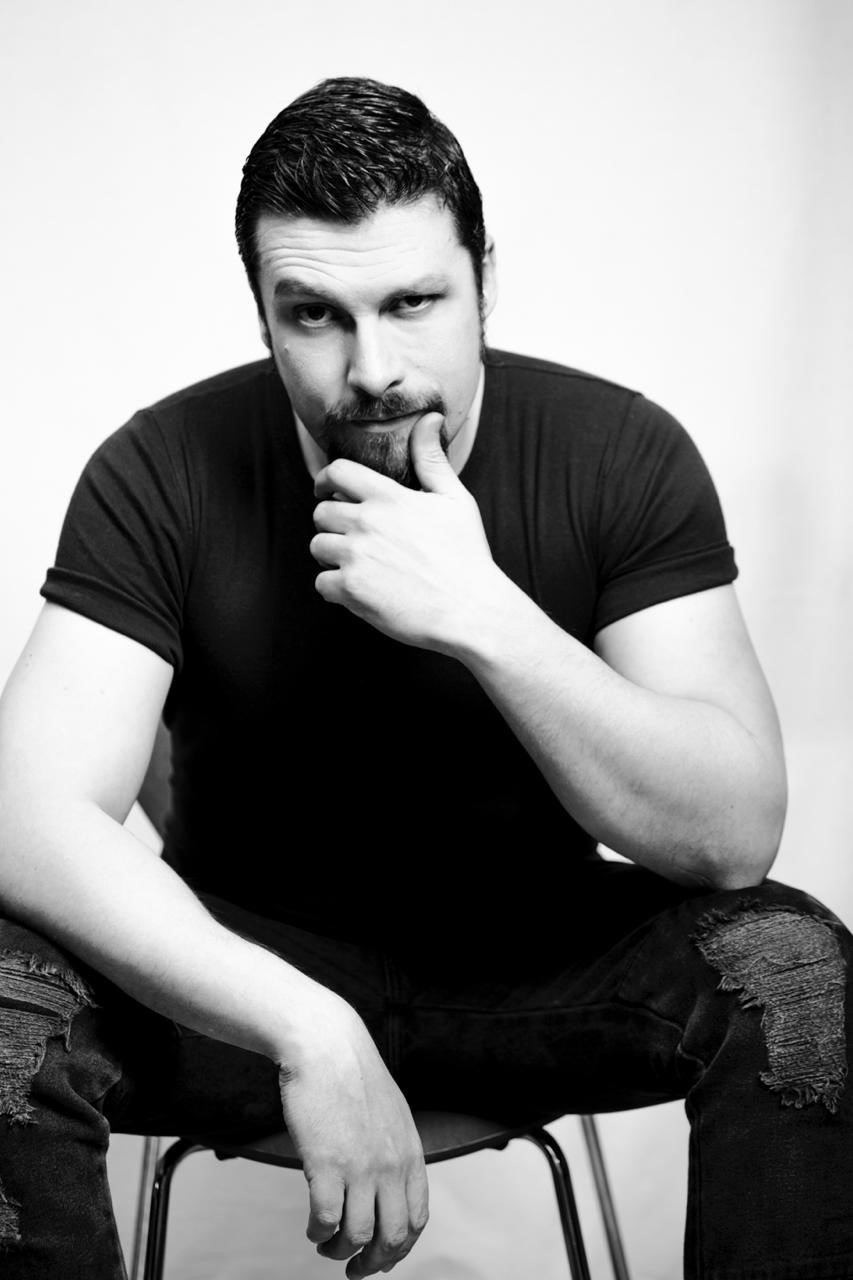
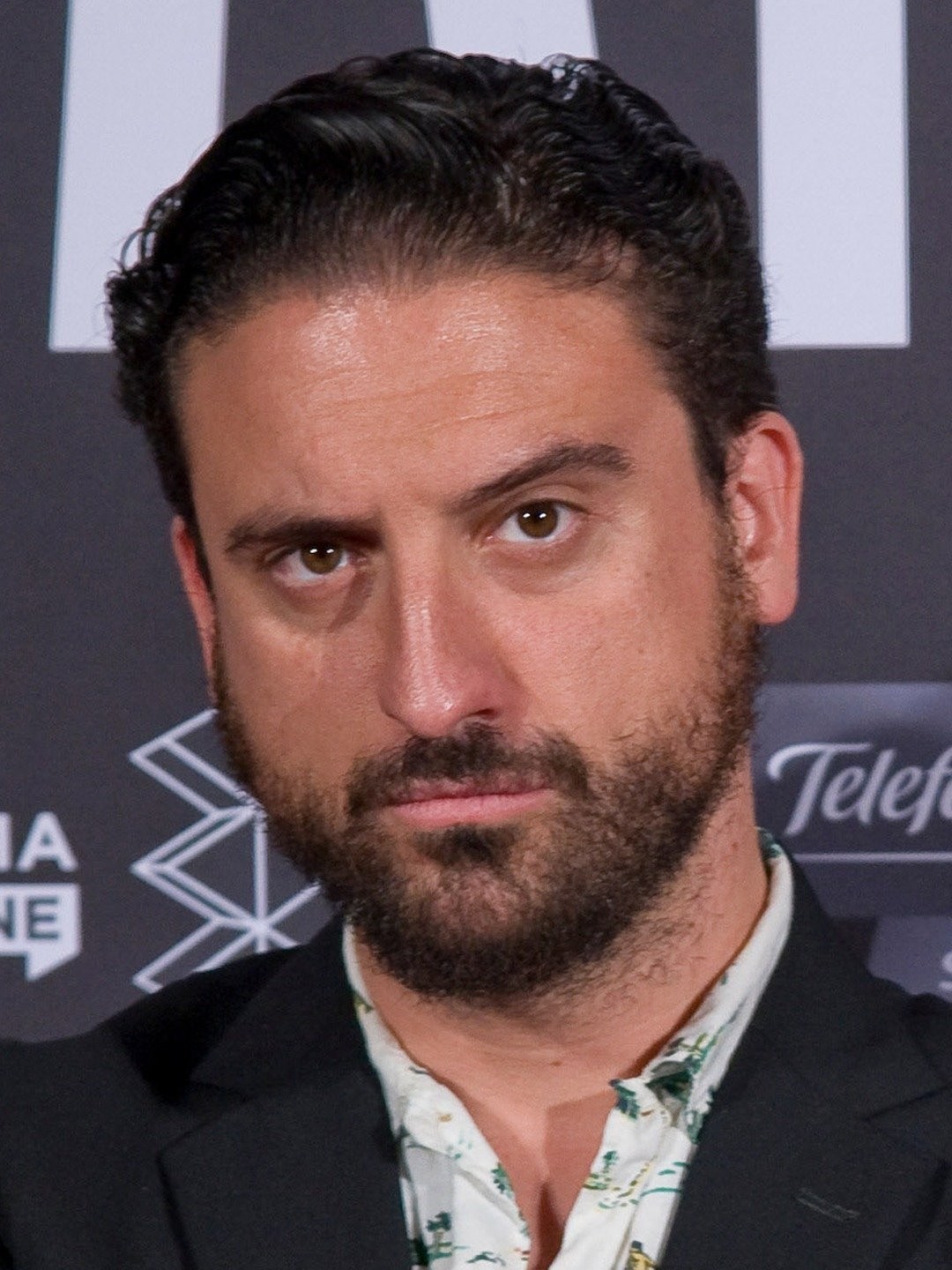
Aitor Aranguren and Erik Suso are the director and producer, respectively, of the documentary ‘300 Oaks’. In the film, they explore the relationship between Basque cuisine, art and identity. Based on the story of the Mahaia Collective, the film reflects on these themes through a dialogue between gastronomy and other artistic disciplines. They will present their first feature film at the San Sebastian Festival, in the Zinemira section, where it will compete for the Irizar Award.
Tell us about the film ‘300 Oaks’. How did the idea of telling this story come about?
Erik Suso (E.S.): Mantala Basque Gastronomy got in touch with us to create this documentary. They had in mind making an audiovisual piece about the Mahaia Collective, as they are one of the key references in Gipuzkoan gastronomy. We also felt that this collective deserved the opportunity to tell its story.
Did you know from the outset that you wanted to explore themes such as origins and identity through gastronomy and art, or did the process itself lead you in that direction?
Aitor Aranguren (A.A.): Basque cuisine and chefs have played a major role in our culture and identity, just as other forms of artistic expression have, such as music, sculpture and so on.
So, given the direction the themes and the story we wanted to explore in the documentary were taking, we felt that it made sense to bring in these other forms of artistic expression as well.
Filming in Arantzazu opened our eyes to this perspective. For us, it is the perfect location because it brings together all these different forms of artistic expression, and because it has been a landmark in our identity and culture.
What do the 300 oak trees in the title refer to?
A.A.: At one time, around 300 oak trees were needed to build a traditional Basque farmhouse. For a while, this was sustainable, but eventually deforestation became a turning point. At that point, wood gave way to stone.
We felt it was a very fitting metaphor because it is a beautiful image through which to talk about identity. Identity is always at risk, and very often we are the ones who put it at risk; but even so, it always finds a way to survive.
In the film, the chefs meet artists as part of an immersive experience. What did you want to bring about through this encounter?
A.A.: Art shapes our identity. That is why we felt it was essential to involve people from other disciplines as well, so that they could contribute their own perspective on identity.
After all, diversity is where richness lies.
What happens when two disciplines that normally work with such different languages — gastronomy and art — enter into a dialogue around the same idea?
A.A.: As you can see in the documentary, gastronomy is ultimately also a form of artistic creation. By bringing the chefs together with singers and directors, we have seen how it has created an opportunity for them to share their creative processes and their individual perspectives.
Ultimately, they all draw from the same source: creativity and the need to evoke something in the person experiencing what they create.
What was the biggest challenge when it came to turning such an abstract reflection on identity, belonging and origins into a film?
A.A.: Ultimately, this documentary deals with an abstract concept such as identity, and it can often be difficult to translate these kinds of ideas into something tangible and explain them clearly.
It is important to bear in mind that we worked with 23 chefs who have a major influence in the world of gastronomy. Each of them has their own way of thinking and a different approach to these questions.
But one of the most beautiful things about this process has been seeing how they have approached it as a collective, sharing the same goal: to care for and preserve Basque identity through gastronomy.
Each of them has contributed in their own way to bringing these issues to the table, reflecting on them together and considering what we can contribute to society.
In terms of production, did you encounter any obstacles along the way? What was it like, for example, coordinating the schedules of so many artists and chefs?
E.S.: Yes, coordinating everyone was difficult. None of this would have been possible without the support of Basque Culinary Center and Mantala. Thanks to them, we were able to coordinate everything successfully and bring the project to life as we had originally planned.
We would also like to thank Arantzazu for fully getting behind the project and for making it so much easier for us to film in the crypt.
This is your first feature film, and you will premiere it at the San Sebastian Festival. It will also compete for the Irizar Award for Basque Cinema in the Zinemira section. What does it mean to you to present your work in San Sebastian?
A.A.: For me, it is very important to present our first work at home, in front of our people and our families.
I have experienced the San Sebastian Festival since I was a child, and for me, being able to experience it this time from the inside is a dream come true. We also hope that, looking ahead, it will be an important platform for us.
Do you know what the film’s journey will look like after the festival? Will it be shown in cinemas?
E.S.: We would like this documentary to have a good festival run, both nationally and internationally. That is something we are really excited about, and we believe the film also has something interesting to contribute to other festivals.
We think it could be really beautiful to take our vision and our culture to other countries.
Once its festival run is over, we would also really like the documentary to find a home on an online platform.
Are you currently working on any new projects? Can you give us a preview of what’s to come?
E.S.: As the founders of the production company Muga, we are constantly on the move. We can’t afford to stand still, and we feel the need to keep feeding this project and moving it forward.
We are currently working on a number of projects and our schedule is practically full until December. But above all, we would like to highlight that we are finishing the writing of our first completely original feature film.
One of our goals from the very beginning has been to focus on fiction, and we feel that we are gradually achieving that.
We hope this project will bring us good things and new opportunities, and open the door to bringing all the stories we have already written — as well as those we still have to write — to life.