
2026-08-31
"Ander eta Yul' reflects the conflicts that were alive in Euskadi at the time, as well as in other places"
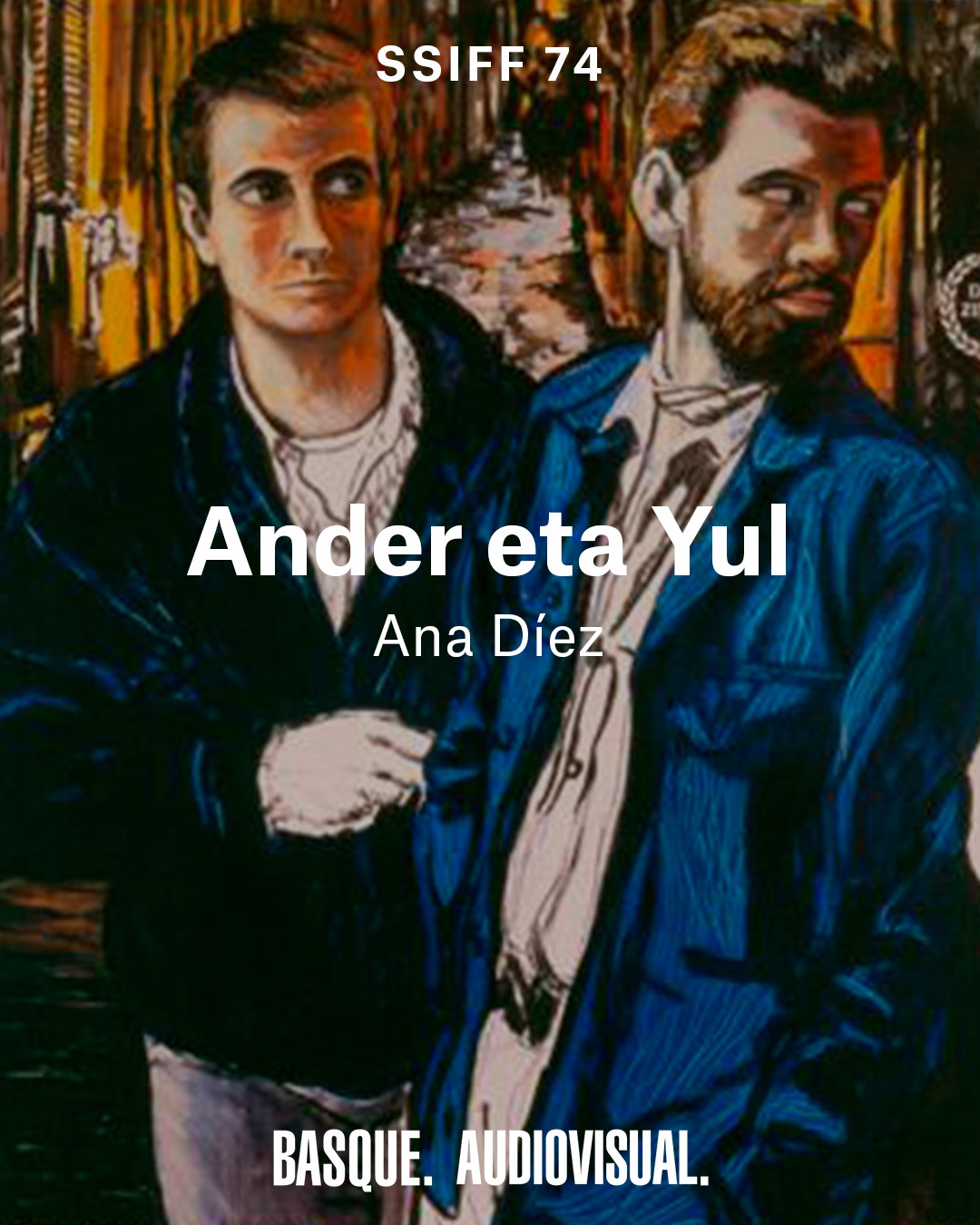
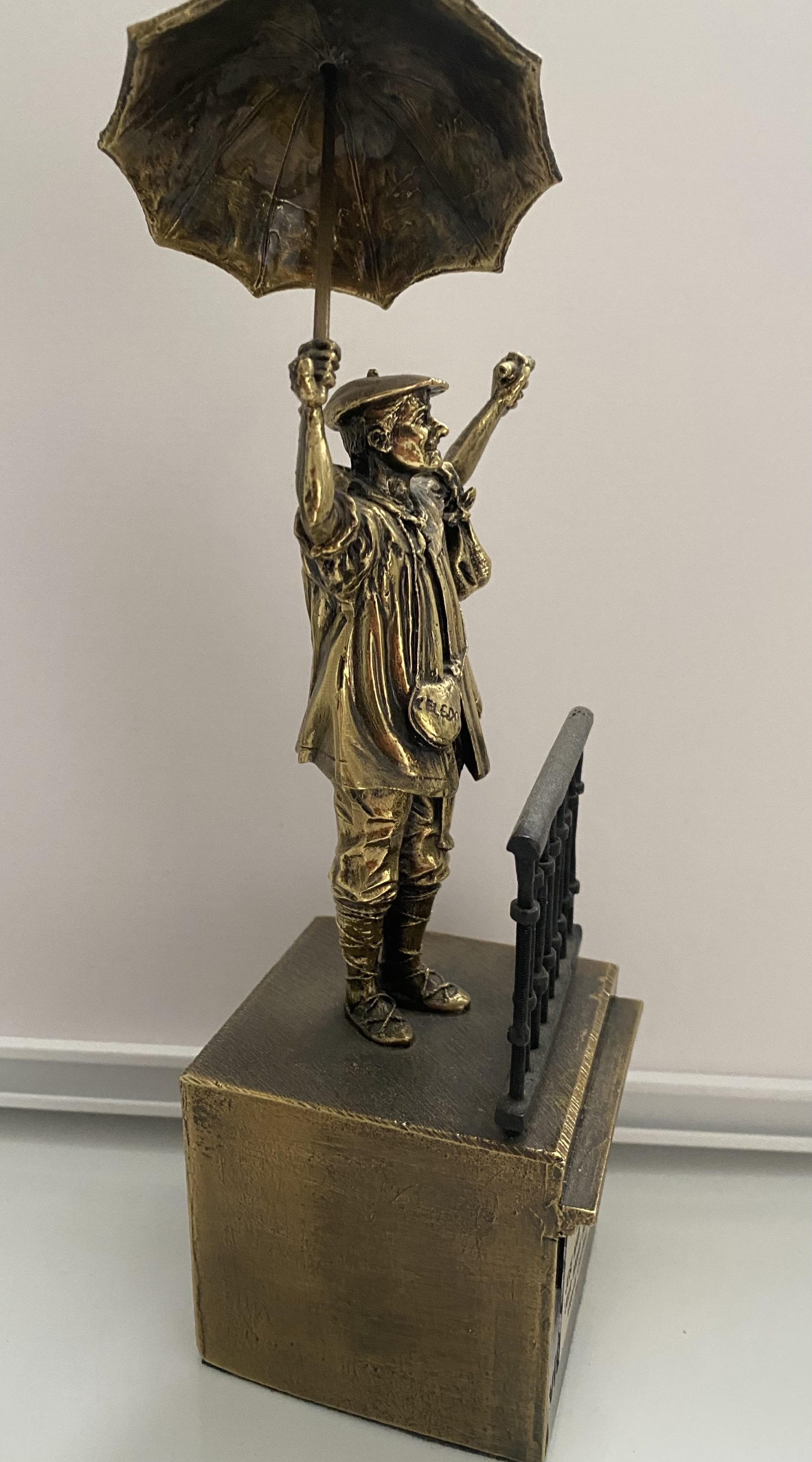
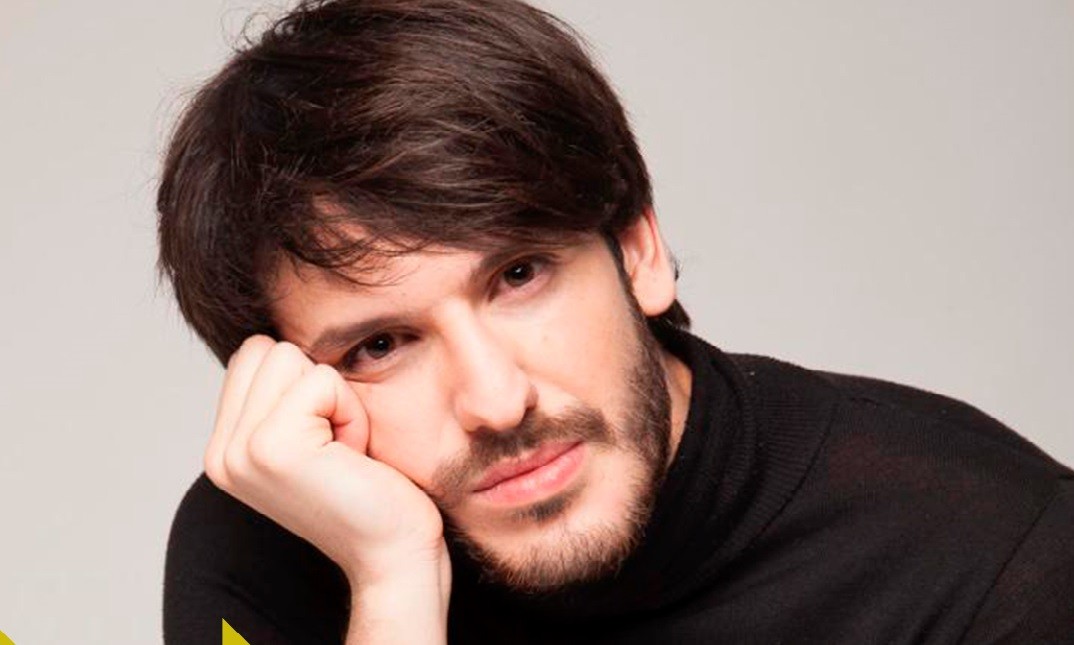
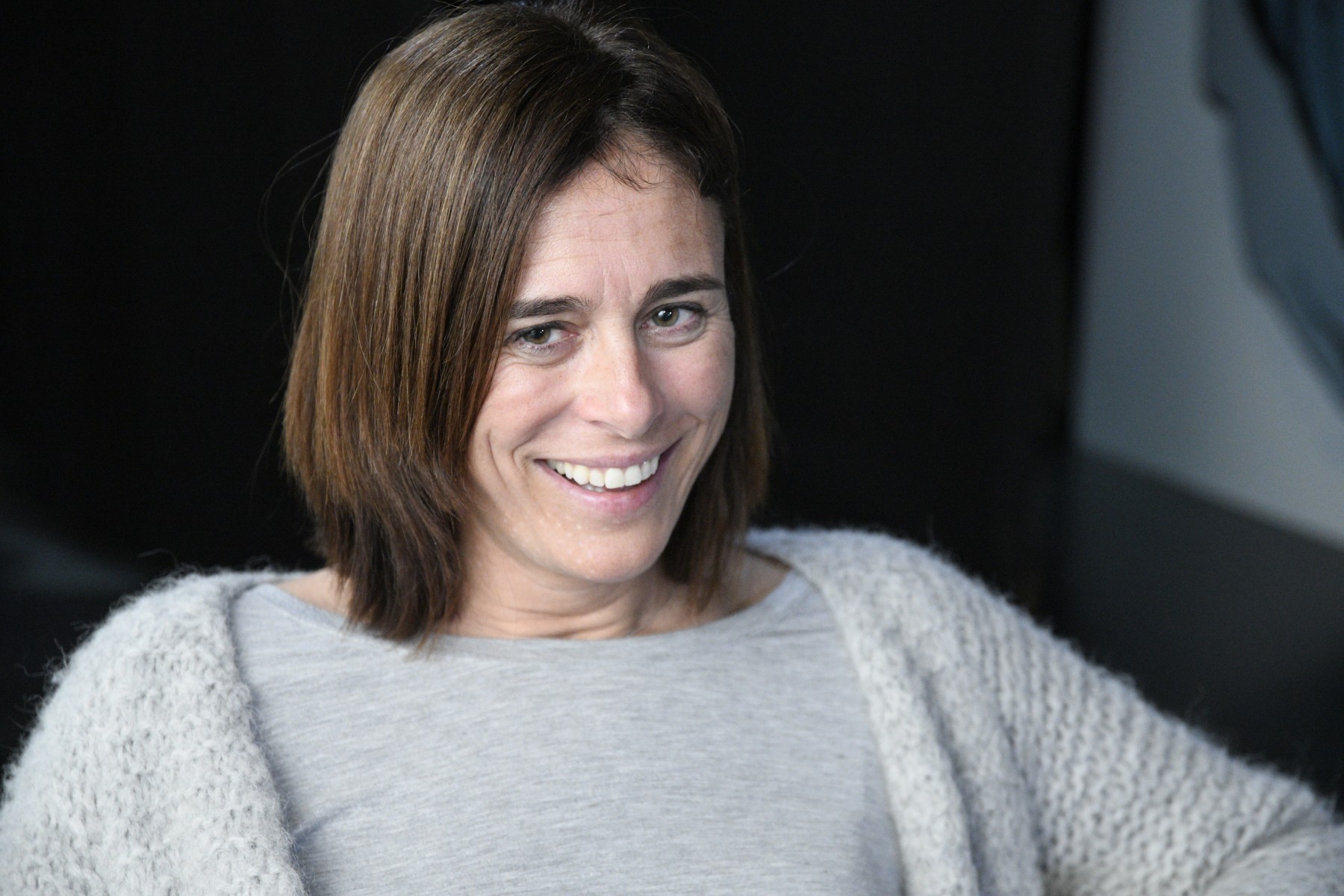
Ana Díez returns to the San Sebastian Festival with Ander eta Yul, her debut feature, restored almost four decades after its release, and receives the Basque Film Archive Award in recognition of her career.
What inspired you to tell the story of Ander eta Yul? What did you want to explore through the friendship between two characters who live such different realities?
In 1986, my ambitions to direct and write a film were still a long way from becoming a reality. The producer Ángel Amigo, with whom I had worked on the technical crews of his productions, offered me the chance to direct a film. It was an opportunity I simply couldn’t pass up. I seem to remember telling him that I wanted to explore ETA militancy and heroin in the story, as two realities that were devastating the lives of people from my generation at the time. During the final two decades of the 20th century, many young people died of overdoses, while others, in the Basque Country, believed in social transformation by carrying out death sentences without trial. With all the multiple meanings that this phrase may carry.
Ander and Yul come from very similar backgrounds. They were teenagers who shared a room, their education and mealtimes at a seminary. They have evolved in different ways, but both are capable of causing the death of others. Yul feels deeply rooted in his homeland, while Ander cannot find his place in the world. The dramatic construction of the characters unfolds gradually. In the end, it may be about the relationship between the committed militant and, in a way, the adventurer.
Your debut feature won the Goya for Best New Director, and now it is returning to the San Sebastian Festival in a restored version, as part of the Klasikoak section. What does it mean to you that a film made in 1988 is still finding new audiences almost forty years later?
Films, like snakes, are always slithering along, some of them trying to rise up. I have often wondered what moles do when they stay underground, but I know that when they reappear, they leave their mark in the form of little mounds, reminding us that life is full of manifestations that are sometimes incomprehensible to us. All we can do when we encounter them is celebrate the fact that they exist.
Survival is always an aspiration, sometimes illusory and sometimes exhilarating.
As long as there is a viewer willing to turn their gaze towards a work, whether it was made today or 40 or 100 years ago, a more or less latent form of rebirth takes place.
You personally oversaw the restoration process. What was it like to revisit the film frame by frame, and what did you discover about it that perhaps you couldn’t see back in 1988?
The beginning of the screening in Bologna was a very tense moment. While watching the first reel, I had the same feeling I experienced when I first saw the film projected in 1988: a mixture of contradictory emotions, as if the characters moving through the frames had a life of their own, and I had the opportunity to delve into their lives once again. Had I portrayed them as they really were? Was anything missing? Was there a particular aspect or sequence that could have enhanced the way they were portrayed?
A few months after watching several screenings during the restoration process, I believe that the dramatic decisions made in constructing the characters, as well as the choices in terms of staging, were the ones that best conveyed what I wanted to express.
The film portrays a very specific reality in the Basque Country in the late 1980s. How do you think the way people look at ‘Ander eta Yul’ has changed since then? Do you think today’s audiences will interpret it differently from audiences in 1988?
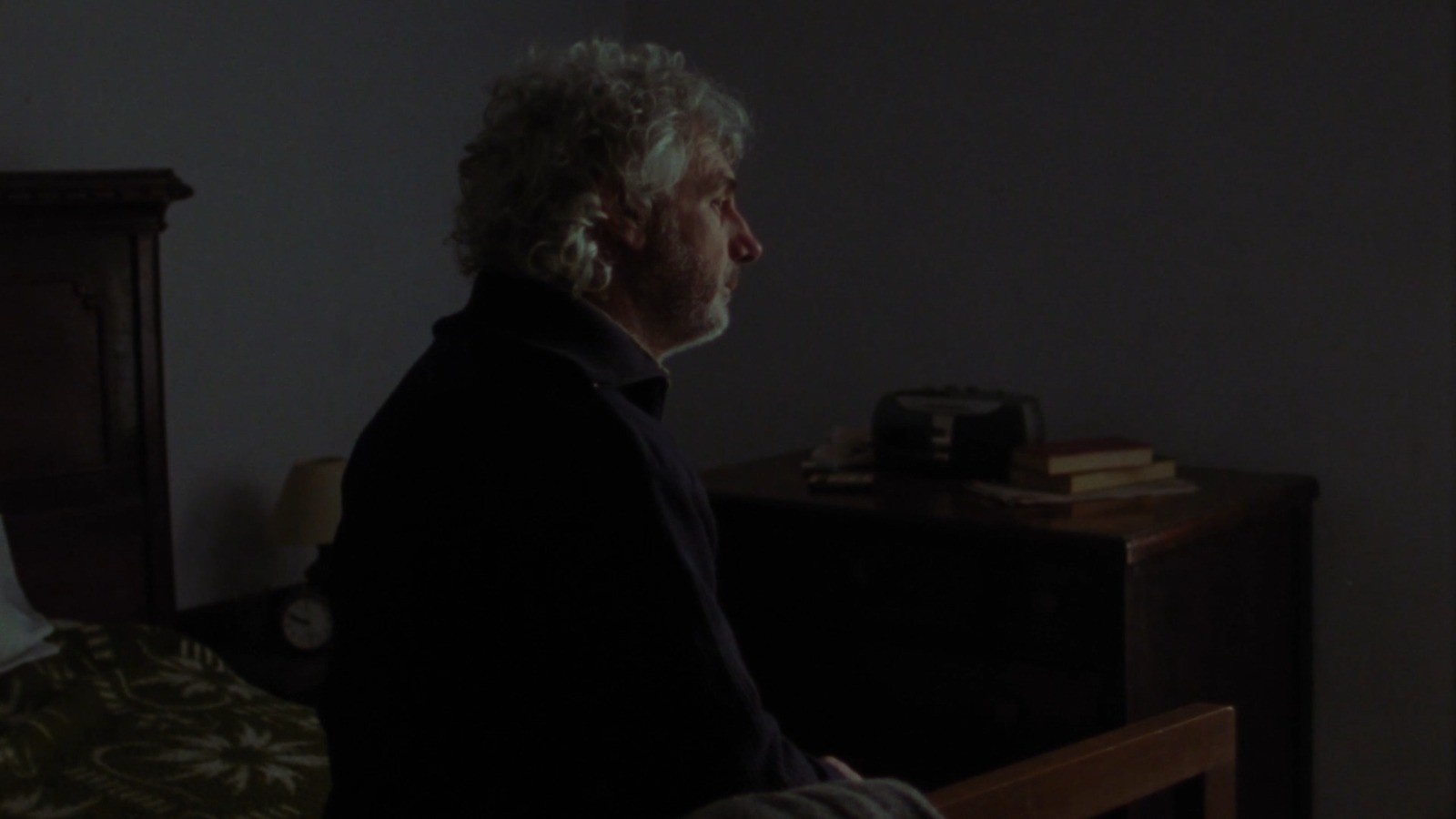
‘Ander eta Yul’ is a story that reflects, through its characters, conflicts that were very much alive in the Basque Country at the time and, whether we like it or not, in other parts of the world too. The fact that the two protagonists shared the same education at a seminary makes them like brothers, but it does not make them confront reality in the same way. Ander, who gets by as best he can through petty dealing, leaves prison not to start a new life, but to realise just how rootless he has become. Yul is a member of an ETA commando and, in practice, does not dare to question the orders he receives. Sara is a character who exists outside those worlds, turning the passing of her days into dark shadows that she draws at night.
The story of the two male protagonists’ Cain-like brotherhood continues until it plunges into the abyss, while she decides to distance herself from that world in search of a different light for her paintings. Udan hemen, she writes, hoping that perhaps, when she returns, if she returns, everything will have changed.
A story that takes place at the end of the 1980s, whose echoes still linger, growing ever more distant, for all those who heard its footsteps.
As well as the screening, you will be receiving the Basque Film Archive Award in recognition of your career. What does this recognition mean to you in such a special year for ‘Ander eta Yul’?
I consider it an honour, and it is deeply gratifying. The very word ‘recognition’ seems to suggest the possibility of bringing new audiences to the work I have made, which I have always approached as an open letter to potential viewers. If that can happen, it is not for me to turn down the opportunity, but to embrace it.